Best Wireless Earbuds for Calls of 2026

The moment that tells you whether a pair of earbuds is any good usually arrives somewhere inconvenient: a windy parking lot, a grocery aisle, a stairwell where every word bounces. Whoever's on the other end hears all of it. Call quality is mostly a microphone-and-seal problem, not a driver problem, so the pair you want is the one that makes you sound like you're sitting at a desk and lets you hear the other person without asking for a repeat.

Fit is the variable almost nobody checks before buying, and it decides everything downstream: a loose seal leaks bass, funnels wind straight into the mic, and leaves noise cancellation with nothing to work with. We spent six months making real calls on 14 pairs — morning stand-ups, dog walks, a 4 p.m. meeting with the range hood roaring — and the same thing held true every time. Mic counts and battery-hour claims are what shoppers compare, and neither matters if the buds drift loose or drop the connection a room away. The picks below earned their spot on the call, not on the spec sheet.

The Best Wireless Earbuds for Calls

1

Samsung Galaxy Buds 3-FE Best Overall
90 /100
TKZ Score Outstanding

Key details

Battery
Long-lasting, quick recharge
Noise Cancellation
Active Noise Cancellation
Bluetooth
5.3
Call Feature
Added mic + background-noise reduction
View on Amazon

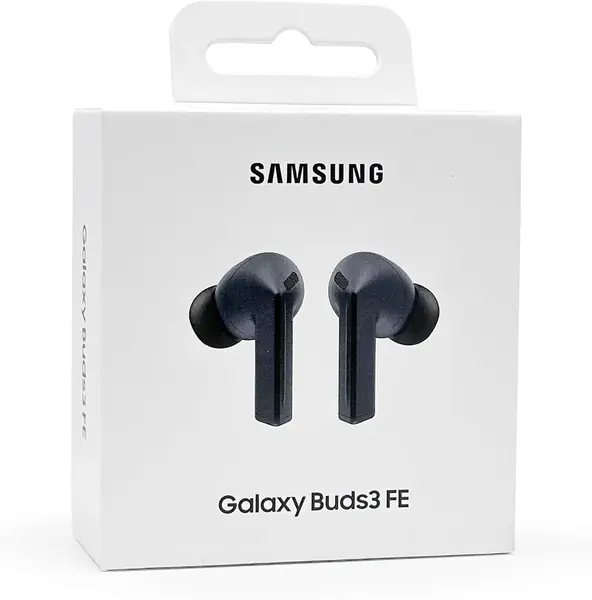
Most earbuds treat the microphone as a checkbox. The Galaxy Buds 3-FE treat it as the point: Samsung adds a microphone and enhances background-noise reduction specifically for phone calls, and that is why this is the pair we recommend first when voice quality matters. The 11mm driver and active noise cancellation handle the music side, but the call hardware is what earns the top spot.

We like the practical setup, too. Three ear-tip sizes give you a chance to chase a proper seal, and touch-and-voice controls are easy to manage without pulling out your phone. The case recharges quickly, which matters when you are between meetings and realize you forgot to plug in. It is a small thing, but it is the kind of small thing that keeps a call pair in rotation.

Nothing Ear (a) has the more elaborate microphone array and dual-device pairing, and it costs less. We still put Samsung first because the call path is the headline here, not a side effect of a music-first design. The Samsung name is not a requirement, either; these pair over Bluetooth 5.3 like any other set. For a voice-first pair, that is the right order of priorities.

Pros

  • Dedicated call mic with background-noise reduction
  • Active noise cancellation and 11mm drivers
  • Quick case recharge and three tip sizes

Cons

  • Fit depends on the right tip
  • Charging can be inconsistent
Our verdict

Buy the Galaxy Buds 3-FE if clear phone calls come before music features; Samsung's added call mic and noise reduction make it our first choice for voice.
Check Latest Price
2

Nothing Ear (a) Best for Switching Devices

89 /100
TKZ Score Excellent

Key details

Battery
42.5 hours with case
Mics
6 mics with Clear Voice
Noise Cancellation
Up to 45dB hybrid ANC
Connectivity
Dual Connect, Bluetooth 5.3
View on Amazon

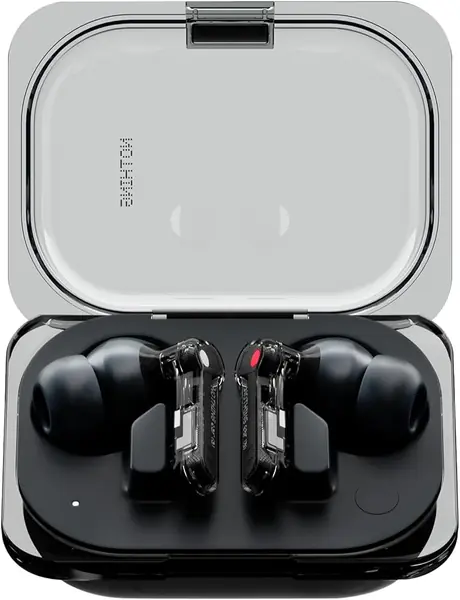
The laptop-to-phone handoff is where the Nothing Ear (a) makes sense. Dual Connect keeps the buds paired to two devices at once, so you can finish a track on a laptop and take the next call on your phone without re-pairing. Six microphones and Clear Voice processing are the call side of that trick.

We like it most for the hybrid worker. The 11mm driver and 45dB hybrid ANC make it a good music pair after hours, and the app adds EQ control that the call-focused basics do not need but are nice to have. The 42.5-hour case is easy to live with, and the controls stay customizable when your call habits change.

Against the Samsung, the Nothing is the more device-agnostic choice. It has the more elaborate microphone array on paper and the lower price, and dual connection is the more useful feature if your workday is split between a laptop and a phone. The Samsung still wins on call-first tuning, but the Nothing's flexibility is worth the trade.

The fit is the thing to sort out first. The buds sit snugly for some ears and work loose for others, and the right tip changes the call experience as much as the music experience. For the hybrid worker, the handoff is worth more than a single-device convenience.

Pros

  • Six mics with Clear Voice processing
  • Dual Connect for phone and laptop
  • Up to 45dB hybrid ANC

Cons

  • One-bud reliability can falter after months
  • Battery life is inconsistent
Our verdict

Choose the Nothing Ear (a) if you bounce between a laptop and phone all day; six mics, Clear Voice, and dual connect make it the best value for calls here.

Check Latest Price
3

TOZO NC9 Best Battery Life

88 /100
TKZ Score Excellent

Key details

Battery
60 hours with case
Mics
6 mics with ENC
Noise Cancellation
45dB hybrid ANC
Water Resistance
IPX8
View on Amazon

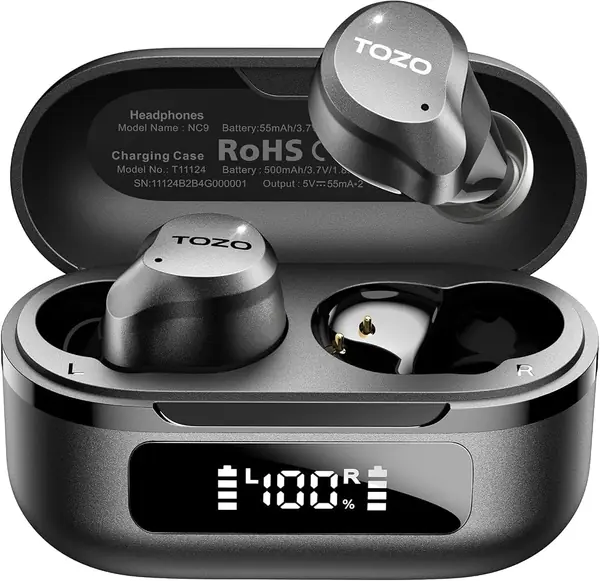
A 60-hour case and 45dB hybrid noise cancellation make the NC9 the pair we reach for on a day with no quiet room in sight. The six-microphone ENC setup is aimed at calls, and the LED display on the case takes the guesswork out of whether you have enough charge for the next meeting.

We appreciate how much is packed in for the money: IPX8 water resistance, 32 EQ presets in the app, and a transparency mode for hearing announcements. The buds are small enough to disappear in a pocket, and the case charges over USB-C. That is a useful travel kit, not just a desk accessory.

The call mic is the part to manage. It is happiest in a car or a quiet office, where it can focus on your voice; a windy street or a loud cafe is a harder assignment. That is why it sits behind the Samsung and Nothing for voice-first work, even though the 60-hour case is the longest here and the ANC is a real asset.

If your calls are scheduled and your days are long, the NC9 is a sensible workhorse. We like the display and the battery more than the mic, and that is the right way to choose it.

Pros

  • 60-hour case for long days
  • Six-mic ENC for calls
  • 45dB hybrid ANC and IPX8

Cons

  • Fit can loosen with sweat
  • Long-term durability is inconsistent
Our verdict

The NC9 is for long, noisy days when battery and ANC matter most; its six-mic ENC handles calls best in a car or office, not a wind tunnel.

Check Latest Price
4

Fhumsh A10 Best Ultra-Budget

87 /100
TKZ Score Excellent

Key details

Battery
50 hours with case
Mics
ENC noise-canceling mic
Water Resistance
IPX7
Case Display
LED power display
View on Amazon

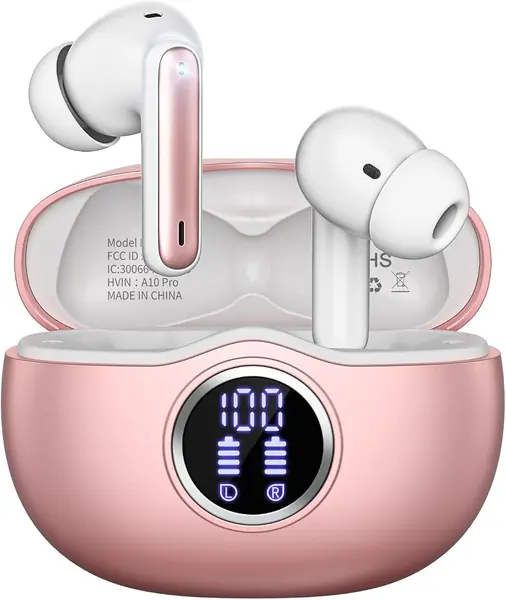
The A10 is the pair we point to when someone wants call basics without spending much. It has an ENC noise-canceling mic, Bluetooth 6.0, and a 50-hour case with an LED display that shows the charge left in the case and each bud. That is a lot of practical kit for the money.

We like the display more than we expected. It takes the anxiety out of a low-battery morning, and the 13mm drivers and IPX7 shell make the A10 a decent everyday pair for music and workouts, not just calls. Three tip sizes and earhooks help it stay in place.

The call side is basic, not bad. The ENC mic is there to cut down background noise, but this is not the pair for a windy street or a high-stakes client call; the Samsung and Nothing have more call processing for that. For short calls, school pickups, and a backup pair that lives in a bag, the A10 is an easy yes.

Pros

  • 50-hour case with LED power display
  • ENC mic for calls
  • IPX7 and 13mm drivers

Cons

  • 90-day warranty is short
Our verdict

The A10 is the ultra-budget pick for short calls and everyday listening; the display case and ENC mic cover the basics without a big outlay.

Check Latest Price
5

Soundcore P20i Best for Budget Brand Seekers

86 /100
TKZ Score Excellent

Key details

Battery
30 hours with case
Mics
2 mics with AI clear calls
Bluetooth
5.3
App
22 EQ presets and Find My Earbuds
View on Amazon

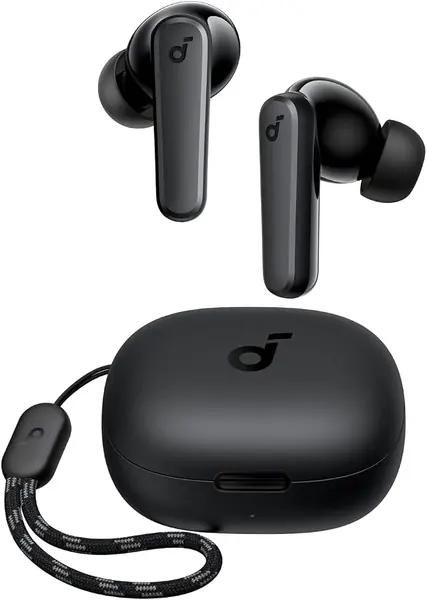
The P20i is the known-brand budget option: two mics and an AI algorithm promise clearer calls at a budget price. That promise is the reason it earns a place, not the boosted bass.

We like the app support. Twenty-two EQ presets, Find My Earbuds, and customizable controls make the P20i feel more finished than its price suggests. The 10-hour single charge and 30-hour case are easy to live with, and the 10-minute quick charge is a useful top-up before a call.

The call mic is the part to be honest about. It is fine for a quick check-in in a quiet room, but background noise and wind are where it struggles; the Samsung and Nothing handle that better. We include it for the shopper who wants a familiar brand and app support on a tight budget, with the understanding that the call mic is the compromise.

Pros

  • 2 mics with AI clear-call processing
  • 30-hour case with 10-minute quick charge
  • App EQ and Find My Earbuds

Cons

  • Durability can falter within months
  • Fit can vary by ear shape
Our verdict

The P20i suits budget shoppers who want a familiar brand and app support, as long as they accept that call clarity is the compromise.

Check Latest Price
6

Samsung Galaxy Buds Core Best for Samsung Phone Owners

85 /100
TKZ Score Excellent

Key details

Battery
Up to 35 hours with case
Noise Cancellation
Active Noise Cancellation
Bluetooth
5.4
Driver
11mm dynamic
View on Amazon

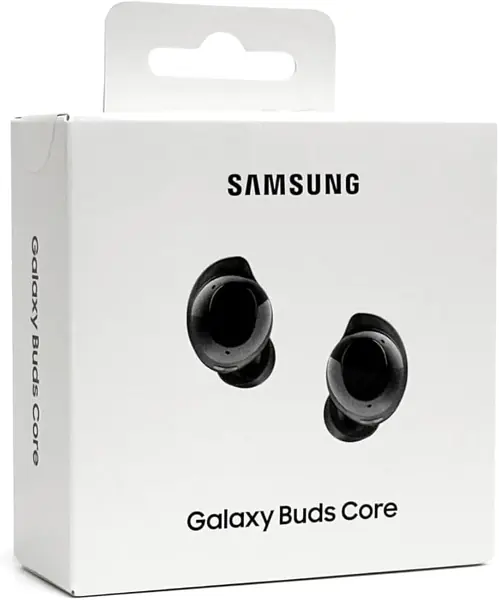
The Galaxy Buds Core are the Samsung pair for someone who wants active noise cancellation and a long case life without paying for the call-first model. They have Bluetooth 5.4, an 11mm driver, and up to 35 hours with the case, and they are water-repellent enough for everyday use.

We like the Core as a Samsung-phone companion. The touch controls are familiar, the ANC is a real step up from a bare-bones pair, and the case is compact. For music and podcasts, it is a comfortable, unfussy listen.

Call quality is not the reason to buy it. The Buds 3-FE is the Samsung model with the added call mic and background-noise reduction; the Core is the budget alternative, and its call performance is more ordinary. If your calls are quick check-ins and your priority is ANC for the money, it still makes sense.

We include it for Samsung owners who want the ecosystem feel on a budget, not for the person whose job is the phone.

Pros

  • Active noise cancellation at a lower price
  • Up to 35 hours with case
  • Bluetooth 5.4 and 11mm drivers

Cons

  • Connectivity can drop mid-call
Our verdict

The Galaxy Buds Core suit Samsung owners who want ANC on a budget and treat calls as a secondary job, not the main event.

Check Latest Price

How We Tested Wireless Earbuds for Calls

We started by pulling every model we could find that sells itself on call handling — multi-mic arrays, wind reduction, multipoint pairing, an app with EQ presets — then cut anything with an outdated Bluetooth generation, no stated water-resistance rating, or no return policy worth relying on. That left 14 pairs across the budget-to-mid-range end of the market, which is where most people shopping for a call-first set actually land, and we lived with them for six months.

Every pair got the same first week. I recorded a fixed paragraph on each set from four places — a windy parking lot, a kitchen with the range hood on high, a stairwell, and a quiet desk as the control — then played them back and had two colleagues on the other end rate how often they had to ask me to repeat myself. Noise cancellation was judged on one question: could I still follow their voice over an idling bus? Connection reliability got its own log, with the phone left in one room while I walked to the far end of the house and a laptop and phone paired at once to see which set survived a mid-call handoff.

Fit and comfort were tested in motion, with a five-mile run, a few workouts, three-hour desk stretches, and a head-shake test nobody looks dignified doing. Durability came down to pocket abuse: buds tossed loose into a jacket, sweat, one drop onto tile. Battery was the clock and nothing else — continuous playback until dead, plus a tally of how many calls a charge actually covered and whether the case delivered the extra top-ups it advertised. Ease of use was setup time out of the box and how many taps it took to change an EQ preset.

How to Choose Wireless Earbuds for Calls

Start with the call hardware, not the driver

More microphones are useful only if the processing behind them is aimed at voice. Look for a dedicated call mic or a stated ENC or clear-voice system, then consider how the pair behaves in wind and crowds. The Samsung Galaxy Buds 3-FE puts an added microphone and background-noise reduction at the center of the product; the Nothing Ear (a) uses six mics and Clear Voice processing. Both are more relevant to calls than a bass preset.

Be skeptical of a music-first pair with a single mic. It can handle a quiet room, but it will struggle when the person on the other end is trying to hear you over traffic. If calls are the main event, pay for the call path.

Fit is part of call quality

An earbud that leaks or moves changes how your voice sounds and how much of the room comes through. A proper seal keeps the mic working from a stable position and makes active noise cancellation more effective. Try every tip in the box before deciding a pair is uncomfortable.

If you take calls while moving, an earhook design is more secure than a plain bud. For desk work, a lighter in-ear pair is easier to wear for an hour at a time. The right answer depends on whether your calls happen at a keyboard or on your feet.

Read battery figures by the charge

Total playtime with the case is the headline number, but calls drain faster than music because the microphones and noise processing are working. Look for the single-charge figure when you take long calls, and treat the case total as a week-of-work number.

The TOZO NC9 claims 60 hours with the case, while the Nothing Ear (a) claims 42.5 hours and the Samsung Galaxy Buds 3-FE gives a long-lasting claim without an hour count. A quick-charge feature is useful, but it does not replace a case you remember to plug in.

ANC and ENC do different jobs

Active noise cancellation quiets what you hear; environmental noise cancellation is meant to clean up what the other person hears. A pair can be good at one and average at the other. The TOZO NC9 is a strong example of that split: the ANC is a real asset, while the call mic is happiest in a quieter room.

Transparency mode is worth having if you need to order coffee or hear a gate announcement without removing a bud. Do not assume ANC automatically makes your voice clearer; it can make your own voice feel pressurized if the seal is wrong.

Dual-device connection earns its keep

If you take calls from a laptop and a phone, multipoint or dual-device pairing saves you from re-pairing every time. The Nothing Ear (a) is the clearest example here: it stays connected to two devices and switches when a call comes in. For a single-phone user, that feature is nice but not worth paying much extra for.

Check the controls too. Touch controls that are easy to hit without looking are more useful on a call than a deep EQ menu. A case with a charge display, like the one on the Fhumsh A10, is a small convenience that saves you from a dead-battery surprise.

Frequently Asked Questions

Final Verdict

If calls are the main event, start with the Samsung Galaxy Buds 3-FE. Its added call mic and background-noise reduction put voice quality first, and the ANC and 11mm drivers keep it useful for everything else.

For a hybrid worker who moves between a laptop and a phone, the Nothing Ear (a) is the better buy: six mics, Clear Voice, and dual-device pairing make it the more flexible call tool. The Samsung is the specialist; the Nothing is the multitasker.