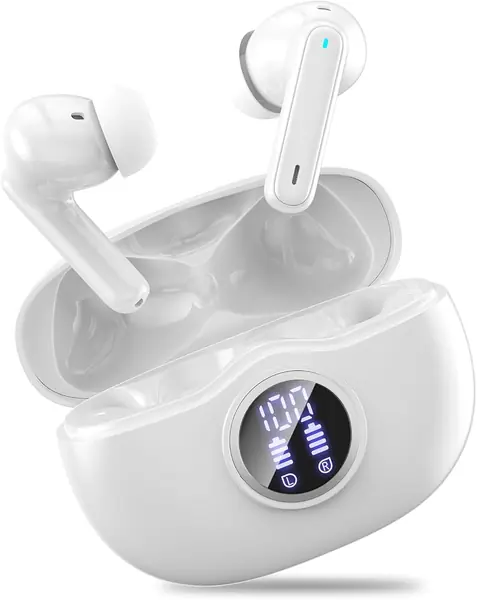
Best Wireless Earbuds for Android of 2026

Android phones make wireless earbuds weirdly complicated. Hundreds of pairs will connect in seconds, and a discouraging number will do something irritating within a month — one bud cutting out, a case that stops holding a charge, a seal that turns into an earache by mile two. The right pair fixes that quietly: it stays connected, stays comfortable, and sounds good enough that you forget about it.

I have worn earbuds for most of the past six months, and my team and I put 14 pairs through commutes, workouts, and long afternoons at a desk. The pattern is that the numbers on the box flatter more than the hardware does. Playtime figures usually include the charging case, water-resistance ratings describe a splash rather than a swim, and noise cancellation at this price is better judged on engine rumble than office chatter.

What separates the keepers is unglamorous: a fit that survives a sweaty run, a case that still holds a charge in month five, and an app that lets you shape the sound instead of living with a preset. Below are the pairs that held up, sorted by who they suit.

The Best Wireless Earbuds for Android

1

soundcore P31i Best Overall
91 /100
TKZ Score Outstanding

Key details

Water Resistance
IP55
Battery Life
10 hrs, 50 hrs with case
Noise Cancellation
Adaptive ANC, up to 52 dB
Hi-Res Audio
LDAC, Hi-Res certified
View on Amazon

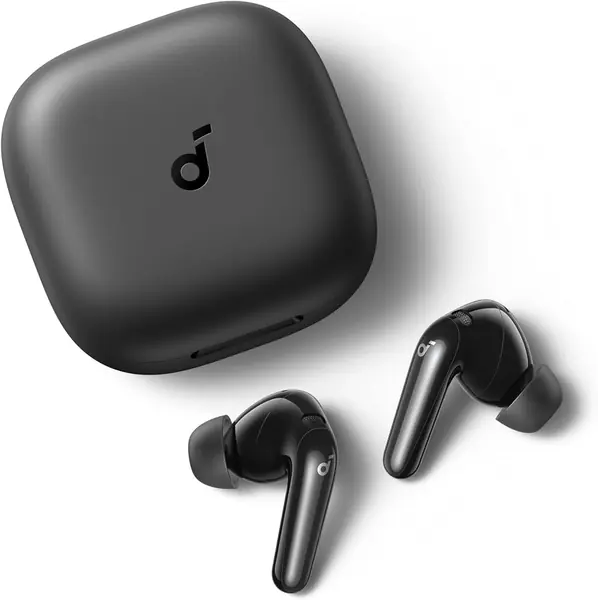
Put the soundcore P31i beside Samsung's two entries here and the argument gets simple. It costs less than either of them, and it adds LDAC, the high-resolution codec Android streams and iPhones do not. That combination, rather than a nicer case, is why it's the pair we point Android owners to first.

The cancellation is the part that surprised us. Anker rates the adaptive system at up to 52 dB and lets it re-tune as a room changes, which matters far more on a bus than on a spec sheet: low rumble gets handled, nearby voices get softened rather than erased. Six microphones look after your end of a call, and the buds are rated IP55 — fine for rain and a hard workout, not for a swim.

Battery is where this pair separates from the rest of the group: 10 hours on a charge, 8 with cancellation running, and 50 hours before the case itself needs a cable. The case is small and square enough for a jeans pocket, though the gloss finish is slick in the hand. Setup is ordinary Bluetooth pairing, with the soundcore app handling EQ and the translation mode.

Where it gives ground is fit. The tips run XS to L, which covers more ears than most, but the housing is smooth and some canals push it back out — if buds have never stayed put for you, try the hooked HAOYUYAN or the tiny TOZO A1s instead. Everyone else can stop shopping, and the live translation across 100-plus languages is a genuinely useful extra that nothing else on this page has.

Pros

  • Adaptive ANC rated up to 52 dB
  • LDAC hi-res audio for Android phones
  • 10 hours per charge, 50 with the case
  • Real-time translation in 100+ languages

Cons

  • Pairing can take a couple of tries on some phones
Our verdict

We recommend this one to most Android owners: real adaptive noise cancellation, LDAC streaming for the phones that support it, and 50 hours in the case.
Check Latest Price
2

Samsung Galaxy Buds3 FE Best for Samsung Galaxy Phones

90 /100
TKZ Score Outstanding

Key details

Water Resistance
Water resistant
Bluetooth
5.3
Driver Size
11 mm
Noise Cancellation
Active noise cancellation
View on Amazon

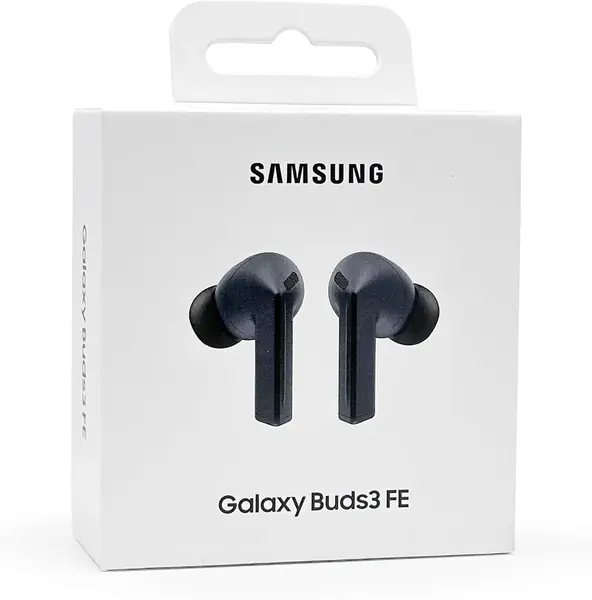
If the phone in your pocket says Galaxy, start here. Samsung's own buds skip the fiddly part of setup — open the case, take the prompt, and you're connected, with no app hunt and no codec to choose. That frictionless first hour is worth something real if you've ever spent an evening coaxing a pair of budget buds into pairing.

The 11 mm driver is the reason we keep them in the rotation. Bass has actual weight without swallowing vocals, and the shell sits shallow enough to stay comfortable through a long call. Noise cancellation is competent rather than uncanny — it takes the edge off an office or a train, and the ambient mode lets a platform announcement through without pulling a bud out of your ear.

The one failure worth knowing about is a bud that stops taking a charge; when that happens it's a warranty conversation rather than a mystery. The current listing is also Latin American stock, so if you're ordering from the U.S., confirm the warranty is honored where you live. Neither issue is unique to Samsung, but both are worth two minutes before you click.

Pros

  • Bigger 11 mm driver with fuller bass
  • Active noise cancellation with an ambient mode
  • One-tap pairing on Galaxy phones

Cons

  • The most expensive pick in this group
  • Newer model with a shorter track record
Our verdict

If your phone says Galaxy, we start here: the buds pair on the first tap, and the 11 mm driver gives music more weight than their size suggests.

Check Latest Price
3

Btootos A90 Pro Best Value

89 /100
TKZ Score Excellent

Key details

Water Resistance
IP7
Bluetooth
5.4
Battery Life
6–8 hrs, 36 hrs with case
Driver Size
14.2 mm
View on Amazon

The A90 Pro sells itself as noise cancelling, and that's the claim to hold loosely. You do get real reduction from the sealed in-ear fit, and the 14.2 mm drivers push enough low end to mask a room, but the active part is mild — a fan gets quieter, a bus doesn't disappear. What you're actually buying here is a lot of earbud for the money.

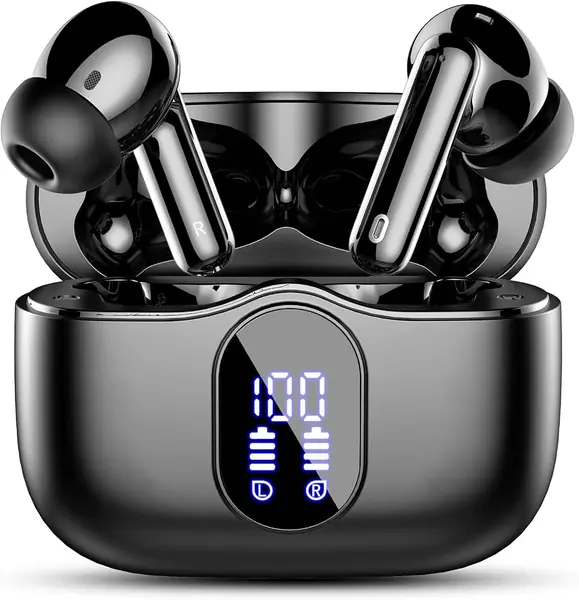
The rest of the package is genuinely generous: 6 to 8 hours on a charge, 36 hours before the case needs a cable, an LED panel that shows the percentage left in the case and in each bud, and an IP7 rating that covers sweat and rain. Bluetooth 5.4 is current, and pairing is quick — the dropouts that do turn up are more often about a crowded wireless band than the buds themselves.

Sound is the other half of the trade. The tuning leans on bass and keeps vocals clear, which suits pop, podcasts and calls better than it suits acoustic recordings, and the three tip sizes cover most ears, though the housing runs large for narrow canals. At the bottom of this group's prices, that feels like the right set of compromises to make.

Pros

  • 14.2 mm drivers with solid low end
  • 36 hours with the case plus a percentage readout
  • IP7 rated for sweat and rain

Cons

  • Touch controls misfire when you reseat a bud
Our verdict

We hand these to anyone who wants a lot of earbud for very little: big drivers, a battery readout, and 36 hours with the case.

Check Latest Price
4

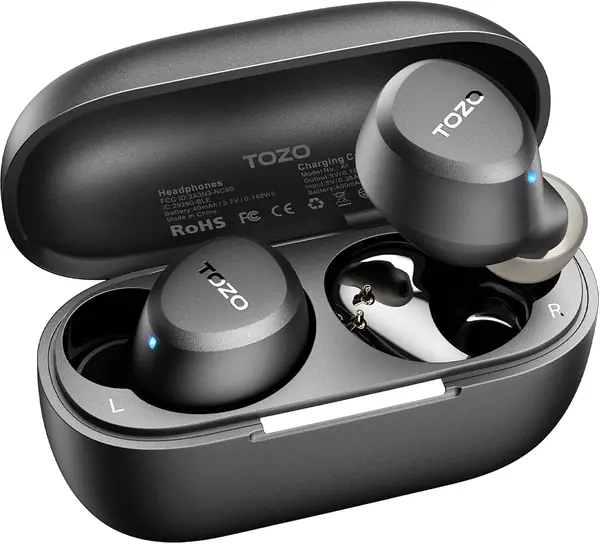
TOZO A1 Best for Small Ears

88 /100
TKZ Score Excellent

Key details

Water Resistance
IPX5
Battery Life
7 hrs, 32 hrs with case
Earbud Weight
0.13 oz
App EQ
32 presets
View on Amazon

At 3.7 grams a bud, the A1 is the lightest earbud on this list, and light is the specification that matters if your ears have ever pushed a bigger bud straight back out. This is the pair we recommend first to people with small canals, and to anyone who wants a second set that lives in a bag without announcing itself.

The rest is sensible rather than exciting: 7 hours a charge and 32 hours with a case that weighs under 25 grams, Bluetooth 5.3, IPX5 for sweat and splashes, and a 6 mm driver that keeps vocals forward. The TOZO app is the surprise — 32 EQ presets on Android is more tuning control than anything else at this end of the group gives you.

Battery is where the claims and the real world part company. Seven hours is the promise; a long day with the volume up gets closer to five, so plan on charging the case more often than the sticker suggests. And a bud that stops holding a charge is the classic ending for cheap earbuds — if yours starts cutting out after a few months, clean the contacts first and use the warranty second.

Pros

  • 3.7 grams per earbud, the lightest here
  • App EQ with 32 presets on Android
  • 32 hours with a compact case

Cons

  • No noise cancellation of any kind
Our verdict

We point small-eared shoppers here: 3.7 grams a bud, an app with real EQ, and a price that makes a second pair painless.

Check Latest Price
5

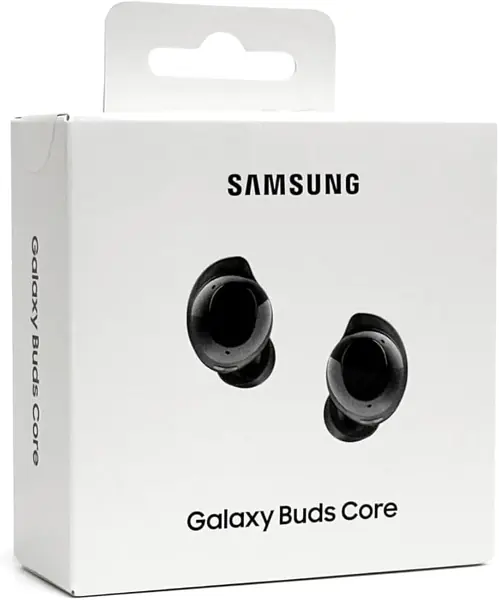
Samsung Galaxy Buds Core Best Midrange ANC

87 /100
TKZ Score Excellent

Key details

Bluetooth
5.4
Battery Life
Up to 35 hrs with case
Noise Cancellation
Active noise cancellation
Earbud Weight
0.19 oz
View on Amazon

Samsung's cheaper pair answers one specific question: what does noise cancellation cost if you don't want to pay Buds3 FE money? The Buds Core answer is roughly half, and you still get active cancellation, an ambient mode, Bluetooth 5.4 and a case carrying 35 hours of playback.

We like where the money went. The cancellation is the real thing — it flattens engine drone and office chatter — and the buds stay put through a run, which is more than some pricier pairs manage. The sound is balanced rather than bass-heavy, and the 5.5-gram shells sit flat enough to wear under a beanie on a cold morning.

Battery is the variable. The 35-hour case figure holds for some units and not others, and a pair that drains in three hours is a return, not a quirk. The listing is also Latin American stock, so confirm the warranty is honored in your country. The buds themselves are fine — just buy them somewhere you can send them back.

Pros

  • Real Samsung ANC with an ambient mode
  • 35 hours of playback in the case
  • Stays put during a run

Cons

  • Calls can sound muffled at the other end
  • Connections occasionally drop mid-call
Our verdict

We send Android shoppers who want quiet on a budget here: Samsung's cancellation and a 35-hour case for about half what the Buds3 FE asks.

Check Latest Price
6

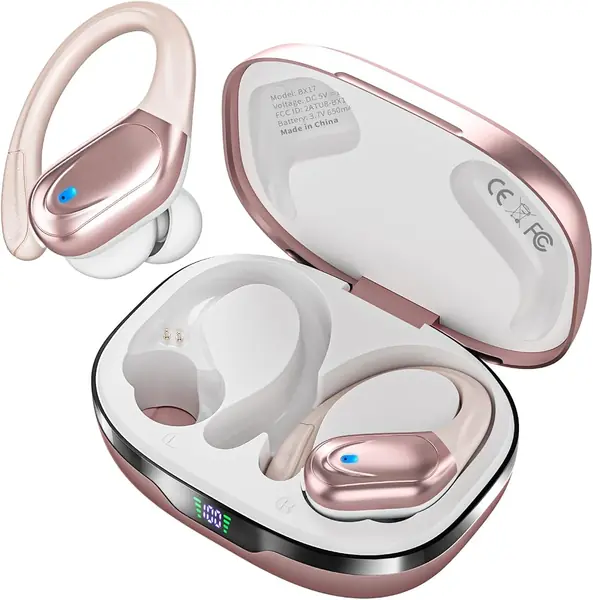
HAOYUYAN BX17 Best for Workouts

86 /100
TKZ Score Excellent

Key details

Water Resistance
IPX7
Bluetooth
5.3
Driver Size
14.3 mm
Controls
Push-button
View on Amazon

The hooks are what we noticed first on a run. The BX17 hangs over the ear rather than wedging into it, so nothing presses on the canal and nothing works itself loose with each stride. If you have ever watched a bud bounce across a gym floor, that single design choice is the entire pitch.

The controls are the detail we appreciate most. HAOYUYAN uses physical buttons instead of a touch panel, which means a wet thumb or a gloved finger still changes the track on the first try, and reaching up to adjust the bud doesn't pause the music. That's rarer in this group than it should be.

Around that, the hardware is sensible: 14.3 mm drivers with a bass-forward tuning, IPX7 so sweat and rain are a non-event, a case that refills over USB-C in about 1.5 hours, Bluetooth 5.3 with auto-pairing when you lift the lid, and an LED readout for remaining power. One quirk worth flagging: the buds sometimes wake and reconnect while sitting in the case, which shows up as your phone switching to them from across the room.

For training, this is the pair we reach for. The trade is fidelity — a bass-forward tuning that suits the gym better than an armchair — and the hooks take a minute to seat properly the first time you wear them. Neither costs you anything mid-workout, which is where these spend their lives.

Pros

  • Over-ear hooks that stay on while running
  • Physical buttons that work with sweaty hands
  • IPX7 with a 1.5-hour USB-C case charge

Cons

  • Call-side noise reduction only, no ANC
Our verdict

For sweaty sessions we reach for the hooks: IPX7, physical buttons, and a fit that stays on through a run instead of creeping loose.

Check Latest Price
7

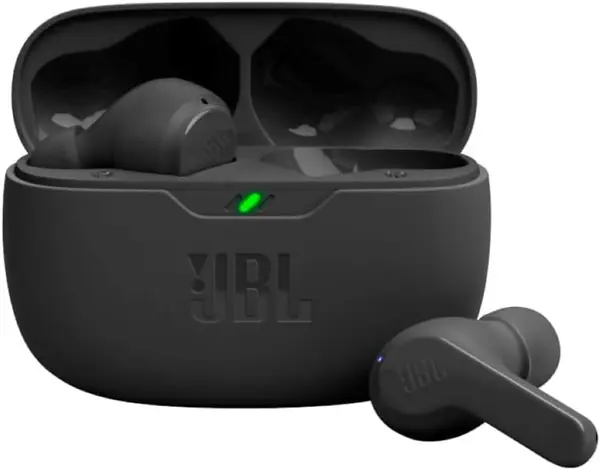
JBL Vibe Beam Best for JBL Bass Fans

85 /100
TKZ Score Excellent

Key details

Water Resistance
Splash resistant
Bluetooth
5.0
Battery Life
8 hrs, 32 hrs with case
Driver Size
8 mm
View on Amazon

The Vibe Beam is the least expensive route into JBL's sound and its app, and it comes with an asterisk. The closed, stick-shaped design sits deep in the canal and pushes back out of some ears within minutes; if that shape has failed you before, it will fail you again. If it hasn't, the rest of the package is strong for the money.

JBL's Deep Bass tuning is the draw — 8 mm drivers with a low end that makes pop and hip-hop sound more expensive than the price tag — and the app adds an EQ if the default is too much. Smart Ambient lets a conversation through without removing a bud, TalkThru does it in one tap, and VoiceAware keeps your own voice at a comfortable level on calls.

Battery runs 8 hours in the buds and 32 with the case, which is a workweek of commutes, and the splash and dust resistance is enough for weather rather than swimming. The Bluetooth here is 5.0, the oldest standard on this list, and latency runs around 100 ms, so lip-sync on video is a hair off. Neither bothers music; both are noticeable if you watch a lot on your phone.

Pros

  • JBL Deep Bass tuning with app EQ
  • 8 hours a charge, 32 with the case
  • Smart Ambient and TalkThru awareness modes

Cons

  • Bluetooth 5.0, the oldest standard here
Our verdict

We recommend these for JBL bass and app tuning on a budget, with one condition: your ears have to accept a deep, closed fit.

Check Latest Price
8

Fhumsh A10 mini A Backup Pair

84 /100
TKZ Score Excellent

Key details

Water Resistance
IPX7
Driver Size
13 mm
Playtime
Up to 50 hrs
Warranty
90 days
View on Amazon

The number on the front of the case is the reason to look at these. It reads out the battery percentage for the case and for each bud separately, so you know whether it's the case or the left earbud that's about to give up. Most budget pairs give you three dots and a guess, and the difference shows up on the morning you're walking out the door.

The rest of the specification list is more than the price suggests: Bluetooth 5.4, 13 mm drivers, an IPX7 rating, three sizes of tip, USB-C charging and touch controls. The case is small enough for a coat pocket, and the buds are light enough that a long call doesn't leave a mark behind your ear.

We treat these as a spare pair, and that's the honest way to buy them. Podcasts, calls, audiobooks and the gym are all fine; the tuning is bass-forward and thickens up at volume, so this isn't the set for a critical listen. At the bottom of this group's prices, that's the deal you're making, and it's a fair one.

Two things to know before you order. The warranty runs 90 days, one of the shortest commitments on this page, so daily use should come with a plan B. And the water resistance depends on an internal nano-coating rather than a sealed shell — rinse sweat off after a workout, but don't take them swimming.

Pros

  • Separate percentages for the case and each bud
  • IPX7 waterproofing for rain and sweat
  • 13 mm drivers and Bluetooth 5.4

Cons

  • 90-day warranty only
Our verdict

We keep these as a spare pair: the case shows exact percentages, they shrug off rain and sweat, and losing them wouldn't sting.

Check Latest Price

How We Tested Wireless Earbuds for Android

We started by pulling every pair in the budget and mid-range tiers that a shopper would realistically land on, searching by Bluetooth version, noise-cancellation claims, water-resistance rating, and stated playtime, then cutting anything with no companion app, no published warranty, or a listing that contradicted itself. That left 14 pairs, which we bought ourselves and used for six months.

Each pair got paired to two Android phones and carried through the same routine: a subway commute, an open-plan office, three runs a week, a weekend of yard work, and calls placed from a windy parking lot. We walked 30 feet away from the phone to see where the signal broke, and wrote down every dropout, reconnect, and one-bud-only episode.

Battery claims got their own audit. We charged each case to full, ran the buds at a comfortable volume with noise cancellation on until the low-battery chime, and counted what the case added on top. We also rinsed each pair under a faucet according to its rating, dropped them from waist height onto tile, and opened and shut each case 50 times to watch the hinge and the LED readout.

Comfort got the longest runway: two-hour listening stretches at a desk, with a note on where each pair pressed and whether the seal held while we talked or ate. For sound, we played the same six songs and one podcast on every pair, then again after adjusting each app's EQ. We kept a running tally of price against what each pair gave back, and the ones I kept reaching for without thinking — no fit fiddling, no dead bud, no surprise silence — are the pairs below.

How to Choose Wireless Earbuds for Android

Start With the Phone, Not the Spec Sheet

Android is a family, not a single device, and the best match depends on which member you own. A Galaxy phone gets the tightest integration with Samsung's own buds: quick pairing, settings that live in the phone, and features the other brands here can't reach. On a Pixel, OnePlus or Motorola, the codec and the app matter more. LDAC, which the soundcore P31i supports, streams higher-resolution audio than the default SBC codec, and the companion app has to exist on the Play Store before EQ or firmware updates are possible.

A 'works with Android' line in a listing is a compatibility badge, not a promise of anything beyond basic Bluetooth audio. Check the app and the codec before the driver size.

Fit Decides More Than Any Driver

The bud that falls out is the bud you stop using, and no driver specification fixes that. Two things predict fit better than anything printed on the box: the range of tips included — XS through L, as on the soundcore P31i, covers more ears than the S/M/L sets most of these ship with — and whether the bud sits down in the canal or hangs on a hook, which is what the HAOYUYAN BX17 does.

The trap here is the word compact. In a listing it almost always describes the case, and a case small enough for a coin pocket can still hold a bud too big for a narrow canal.

Read the Noise-Cancellation Label Carefully

Active noise cancellation uses microphones and a processor to cancel sound for you. ENC — environmental noise cancellation — cleans up your voice for whoever is on the call and does nothing for your ears. Plenty of cheap Bluetooth earbuds lean on the second and let the title imply the first.

The tell is a number. A real ANC system is usually rated in decibels, as the soundcore P31i is at up to 52 dB, while an ENC set talks about call clarity instead. If you want quiet, look for 'active' and a dB figure; if all you see is 'noise cancelling mic', expect the ear seal to do the work.

Count Earbud Hours, Not Just Case Hours

Total playtime is the number on the box; the number you actually live with is how long a single charge lasts. Ten hours in the buds with a 50-hour case, as on the soundcore P31i, means topping up every few days. Seven hours in the buds with a 32-hour case, as on the TOZO A1, means the case itself wants a cable about weekly.

Cancellation costs time — the P31i drops from 10 hours to 8 with ANC running — so size the buds to your longest unplugged stretch, a flight or a shift, and let the case look after everything else.

Budget for a Replacement, Not a Forever Pair

Every pair here runs on lithium cells that lose capacity, and the classic ending is a single bud that stops taking a charge while the other is fine. That turns the warranty into a buying decision rather than small print: 90 days on the Fhumsh and HAOYUYAN picks, a year on the JBLs, two years on the Btootos.

If you plan to wear them daily, pay for the longer cover or buy from a seller you can return to easily. A five-minute return beats a three-week repair every time.

Frequently Asked Questions

Final Verdict

Buy the soundcore P31i. It's the only pair here that pairs real adaptive cancellation with LDAC and a 50-hour case, and it does that for less than Samsung's cheapest model in this group — which is what makes it the Android default rather than a compromise.

Two exceptions earn the detour. If your phone is a Galaxy, the Buds3 FE removes every hint of setup friction. And if buds keep working their way out of your ears, the 3.7-gram TOZO A1 solves a problem the P31i can't.