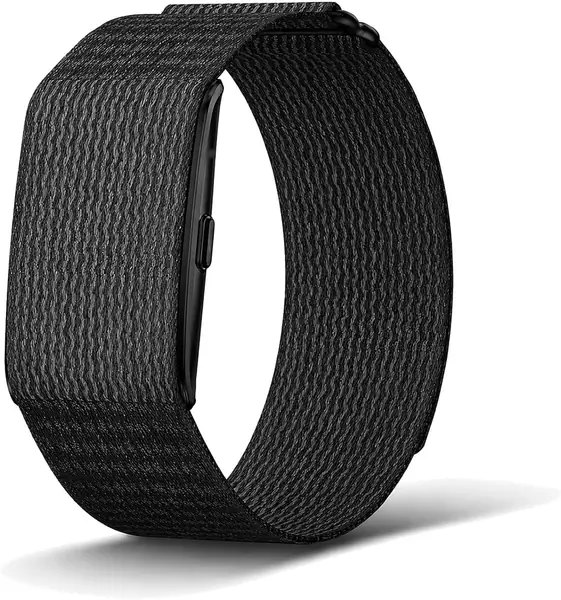
Fitbit Air Best Overall
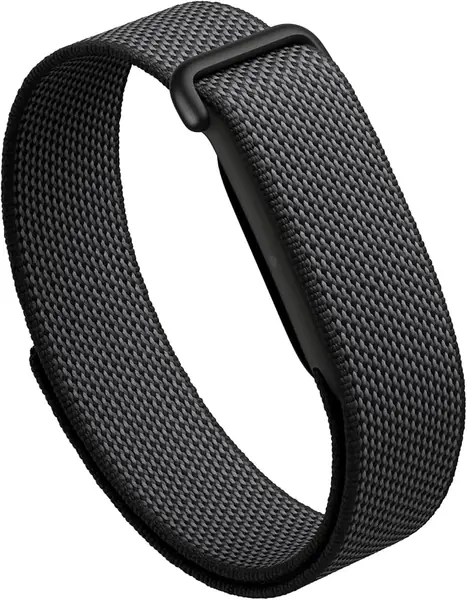
Key details
- Battery Life
- 5 days average
- Water Resistance
- 50 m
- Weight
- 0.18 oz
- App Compatibility
- iOS 16.4+ / Android 11+
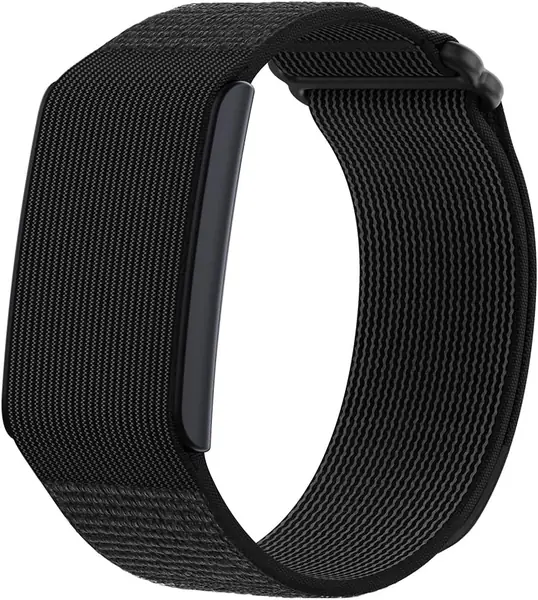
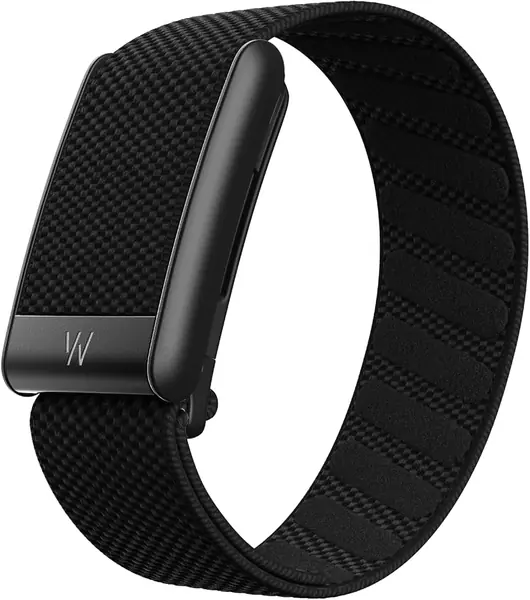
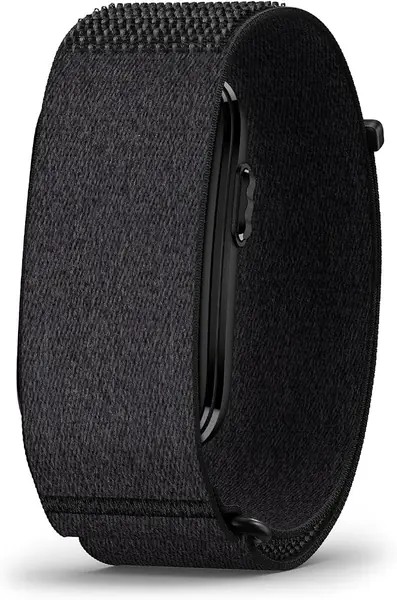
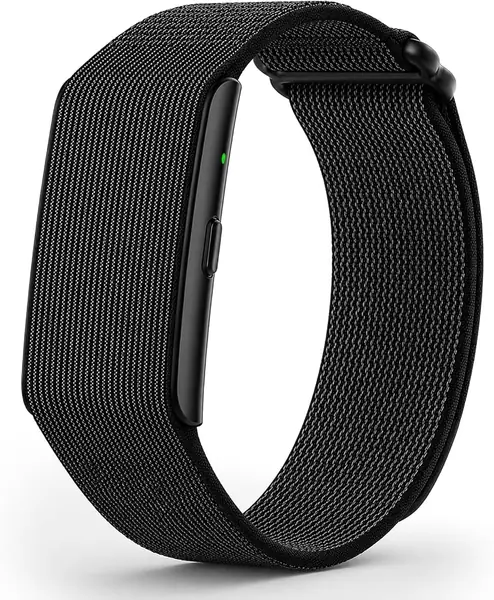
At just over five grams, the Fitbit Air is the screenless tracker we reach for when we want to forget a wearable is on. The 18.2 mm band and 130–210 mm fit keep the sensor close without a big pod pressing into the wrist, and there is no display to light up at night or interrupt a workout. We especially like that for sleep: the less hardware you notice at 2 a.m., the more likely you are to keep it on.
The tracking set is broad for the size: optical heart rate, SpO2, skin-temperature variation, sleep stages, steps, and workout logging in the Google Health app. Battery is rated at a five-day average, and a five-minute charge buys a day of use, which makes the charging habit easy to absorb. The app is free for the basics; the AI coaching is optional.
Accuracy is the place to keep expectations in check: sleep stages and step counts can drift, particularly when your arms are moving without a walk to match. We still trust the overall trend more than any single day, and the comfort and app keep it at the top of this group. If you want recovery coaching without a subscription, the Amazfit Helio Strap is the more direct buy.
Pros
- Barely-there five-gram body for all-day wear
- Sleep-friendly band with no display
- Broad heart-rate, SpO2, and sleep tracking
Cons
- Premium AI coaching costs extra
We recommend the Fitbit Air first for its barely-there fit, broad sleep and heart-rate tracking, and an app that makes daily use easy.