Best Audiophile Headphones of 2026

Open-back headphones are a strange thing to pay a premium for: the cups deliberately let the room in. That's the point. Air moves behind the driver, the sound stops feeling boxed in, and you can suddenly hear where the bass player is standing. The catch is that everyone around you hears your music too, and none of these designs will cancel a dishwasher. What they fix is the closed-in feeling of ordinary headphones — the sense that a recording is happening inside a drawer.

Over the past six months, my team and I have lived with 12 pairs. The differences show up where spec sheets don't: clamping force that turns from snug to painful by hour two, cables that reach the couch or don't, pads that stay cool through a long session and pads that don't.

One thing worth knowing before you scroll: past a certain price, more money buys nuance, not more music. A clean source and fresh pads will do more for a pair than another driver revision. Every pick below is wired, and most are open-back — headphones you sit down with, not ones you wear on a train.

The Best Audiophile Headphones

1

Sennheiser HD 600 Best Overall
93 /100
TKZ Score Outstanding

Key details

Cable
Detachable
Design
Open-back
Driver
42 mm dynamic
Impedance
300 ohm
View on Amazon

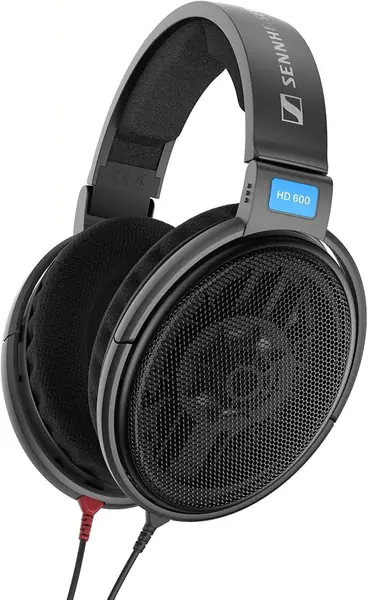
The HD 600 is not the flashiest headphone here, but it is the one we keep coming back to when the goal is the recording rather than the tuning. Its mids are the reason: voices and acoustic instruments sit in a natural, unforced balance, and the open-back stage gives them room without turning the presentation into a spectacle. We noticed the treble is polite rather than sparkling, which makes long sessions easy. If you want a headphone that flatters every track, this is not it; if you want one that shows what is there, it is.

Comfort is a big part of why it stays on our desk. The plush pads and broad headband distribute the clamp well over a long album, and the open earcups keep heat from building up. The build is old-school in a good way: metal mesh, a sturdy headband, and a detachable cable that can be replaced instead of ending the pair. We also appreciate that replacement pads are part of the design, since pads are the first thing to wear out.

The catch is amplification. The 300-ohm load wants a dedicated amp or a strong desktop source; plugged straight into a phone, it will play, but it will not give you the control and dynamics it has with proper power. That is the trade-off for the stable, uncolored sound. If you already have a DAC/amp, the HD 600 is the safest long-term buy here. If you do not, budget for one before you blame the headphone.

Pros

  • Natural, reference-grade mids
  • Comfortable for long sessions
  • Replaceable cable and pads

Cons

  • Open-back design leaks sound
  • Clamp is firm when new
Our verdict

The HD 600 is the open-back we recommend first for critical listening: natural, comfortable, and built to keep, with a neutral balance that makes recordings sound like themselves.
Check Latest Price
2

Philips SHP9500 Best Budget

92 /100
TKZ Score Outstanding

Key details

Cable
Detachable 1.5 m
Design
Open-back
Driver
50 mm neodymium
Impedance
32 ohm
View on Amazon

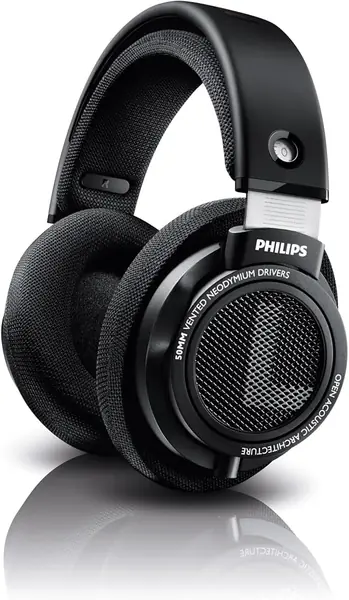
The SHP9500 is the least expensive open-back here, and it makes a strong case that you do not need to spend a lot to hear a spacious presentation. The 50 mm drivers give it a wide, airy stage, and the tuning leans bright and clear rather than bass-heavy. We found it especially good with acoustic music, podcasts, and games, where separation matters more than thump. It is also easy to drive from a phone or laptop, which makes it a low-friction first pair.

What we appreciate most is the comfort. The double-layer headband and breathable pads keep it light on the head, and the earcups are roomy enough for larger ears. The clamp is gentle, and it stays put for desk listening. The detachable cable is a real convenience at this end of the market, and the open-back design means you can hear the room around you. That is a feature for awareness and a problem for noisy spaces.

The build is simple plastic and feels basic next to the Sennheisers, though it has held up in normal desk use. If you want a closed-back for a shared room, the FiiO FT1 is the better fit. If you want the lowest-cost way into open-back sound, this is the one we point to first.

Pros

  • Wide, airy soundstage
  • Lightweight and comfortable
  • Easy to drive from a phone

Cons

  • No carrying case included
Our verdict

The SHP9500 is the budget open-back we recommend first: easy to drive, comfortable, and wider than its price suggests.

Check Latest Price
3

FiiO FT1 Best Closed-Back

87 /100
TKZ Score Excellent

Key details

Cable
Detachable 3.5 mm and 4.4 mm
Design
Closed-back wood cups
Driver
60 mm dynamic
Impedance
32 ohm
View on Amazon

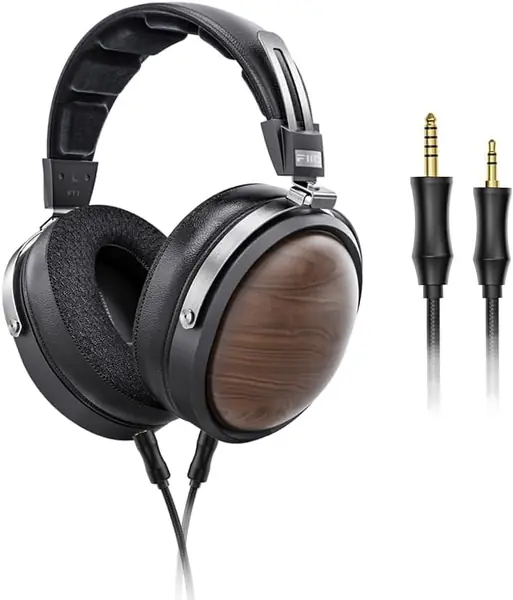
The FT1 is the only closed-back in this group, and the wood cups are the first thing you notice. They give it a warmer, more furniture-like look than the open-back Sennheisers, but the practical point is the closed shell: it keeps music in and room noise out, which matters if your listening desk sits in a shared space. The 60 mm dynamic driver gives it a fuller bottom end than the open-back picks, with bass that hits hard without smothering the mids.

We liked the FT1 most for modern recordings, electronic music, and anything that benefits from a little weight and warmth. The fit is comfortable over long sessions, and the ball-slide headband makes it easy to adjust. It comes with both 3.5 mm and 4.4 mm cables, so you can use it with a phone or a balanced desktop amp without buying extra. That is a lot of headphone for the money.

The catch is that the closed-back stage is narrower than the HD 600 or HD 800 S, so it trades some air for isolation. If you need one pair for a shared room and you like bass, the FT1 is the obvious choice here. If you have a quiet room and want the widest stage, stay open-back.

Pros

  • Deep, controlled bass
  • Closed-back design keeps sound in
  • Balanced and single-ended cables included

Cons

  • Plastic frame needs careful handling
  • Cable runs short for some desk setups
Our verdict

The FT1 is the closed-back pick for bass-rich listening in a shared room, with wood cups and a comfortable fit at a fair price.

Check Latest Price
4

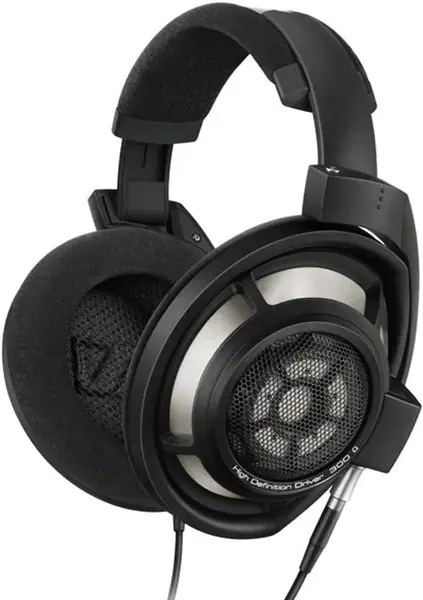
Sennheiser HD 800 S Best High-End

86 /100
TKZ Score Excellent

Key details

Cable
Detachable balanced 4.4 mm
Design
Open-back
Driver
56 mm ring radiator
Weight
11.6 oz
View on Amazon

The HD 800 S is the flagship of this group, and it sounds like one: the 56 mm ring-radiator drivers throw a stage so wide that some recordings feel like they have been unwrapped. Detail is abundant without sounding etched, and the open earcups give instruments room to separate. We were struck by how much the headphone disappears on well-recorded acoustic music. It is not a subtle upgrade over the HD 600; it is a different scale of presentation.

The build is excellent, with metal and microfiber materials that feel engineered rather than decorated, and the included balanced cable is a nice touch for desktop systems. Comfort is generally good over a long session, and the open design keeps heat down. It rewards good electronics; a modest amp will get volume, but the extra resolution and control come from a better chain.

The price is the obvious barrier. If you want the absolute widest stage and you have the system to support it, the HD 800 S earns its place. If you want a more grounded, all-purpose reference for less, the HD 600 is the safer choice. For most listeners, the flagship is a destination, not a first purchase.

Pros

  • Enormous, precise soundstage
  • Excellent build and balanced cable
  • Detailed, airy treble

Cons

  • Fit can slide on some heads
  • Open-back design leaks sound
Our verdict

The HD 800 S is for the listener who wants the widest, most spacious presentation here and will build a system around it.

Check Latest Price
5

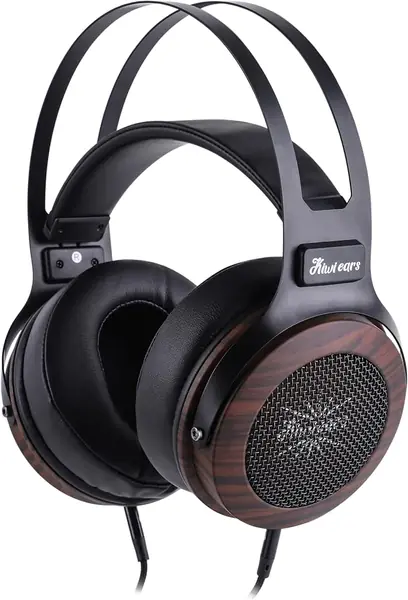
Linsoul Kiwi Ears Altruva First Open-Back

85 /100
TKZ Score Excellent

Key details

Cable
Dual 3.5 mm
Design
Open-back
Driver
50 mm dynamic
Impedance
32 ohm
View on Amazon

The Altruva is the cheapest open-back here, and it looks more expensive than it is: wood cups, PVD-coated steel, and a 50 mm dynamic driver. The open-back design gives it a wide stage for the money, and the tuning is closer to a studio monitor than a bass-heavy consumer headphone. It is light on the head and comfortable enough for a long session.

We found it easy to drive from a laptop or phone, and the dual 3.5 mm cable makes it simple to connect to a desktop setup. The sound is clear and detailed, with a lean bottom end and a forward midrange. It is not the last word in refinement, but it gets the open-back experience across for a fraction of the usual cost. The open-back design also means you hear the room, so it is a desk headphone rather than a commuter pair.

We think of the Altruva as a starter pair: a good way to find out whether you like open-back sound before spending more. If you want a pair to keep for years, the HD 600 is the safer investment. If you want to spend as little as possible, this is the one we point to.

Pros

  • Wide stage for the money
  • Lightweight and comfortable
  • Wood-and-steel finish

Cons

  • Durability is inconsistent
  • Fit can sit awkwardly on larger heads
Our verdict

The Altruva is the ultra-budget open-back we recommend for a first taste of wide staging, with the caveat that it is built to a price.

Check Latest Price

How We Tested Audiophile Headphones

We started by gathering every wired over-ear we could find that was built for listening rather than commuting, then narrowed the field by driver type, impedance, whether the cable detaches, and whether the maker actually sells replacement pads. That left 12 pairs, which stayed in rotation for six months.

Each one spent at least three weeks on my desk, running through the same amp and the same short playlist: a bass-heavy record, a string quartet, and a podcast recorded in a small room. I listened for whether the low end stayed defined when I turned it up, whether voices sat forward or got buried, and whether cymbals turned sharp at the top.

Comfort we timed rather than guessed. I wore each pair for a three-hour stretch and wrote down when the clamping started to bite, whether the headband left a hot spot on top of my head, and how the fit held for a large head and a small one, with and without glasses. I weighed every pair on a kitchen scale and noted which ones I forgot I was wearing.

Leakage cuts both ways with open backs, so I checked how far the sound carried in a quiet room and whether a nearby conversation intruded. Cables got measured against the walk from my listening chair to the desk, then coiled, uncoiled, and tugged. At the end I swapped pads where I could, looked for scratches on wood and metal, and packed each pair back into its box to see what a year of ownership might look like. Value was the last pass: what a pair delivered against what it cost, pads and cables included.

How to Choose Audiophile Headphones

Open-Back or Closed-Back?

Open-back headphones let air move through the earcups, which is why they sound wide and natural. The trade-off is that they leak music outward and let room noise in. If you listen in a quiet room and want the most spacious presentation, open-back is the right place to start; the HD 600 and HD 800 S are the clearest examples here.

Closed-back designs seal around the ear, so they keep sound in and block more of the room. They usually give up some stage width, but they are the practical choice for a shared office, a living room with other people, or a commute. The FiiO FT1 is the closed-back pick in this group.

Match Impedance to Your Amplifier

Impedance tells you how hard a headphone is to drive, but sensitivity matters too. A high-impedance model such as the 300-ohm HD 600 needs a dedicated amp or a strong desktop source to give you full dynamics; a low-impedance pair such as the 32-ohm SHP9500 will run from a phone or laptop.

Think about the whole chain before you buy. If you already have a DAC and amp, a high-impedance headphone can be the better long-term investment. If you listen mostly from a laptop or phone, start with an easy-to-drive model and add a desktop amp later.

Decide What Kind of Sound You Want

Neutral, reference-style headphones aim to show the recording without adding much of their own character. They are the safest choice for critical listening, but they can be unforgiving of poor recordings. The HD 600 is the reference point in this group.

Warm or bass-rich headphones are easier to enjoy across modern genres, while bright, detailed models can make acoustic music and games feel more open. The FiiO FT1 leans warm and bassy; the HD 800 S is airy and detailed. Match the tuning to the music you actually play, not the one you think you should like.

Check Comfort, Pads, and Replaceable Parts

Clamping force, pad material, and weight decide whether you can wear a pair for an entire album. Velour and breathable fabrics run cooler; sealed pads isolate more but can get warm. If you have a larger head or wear glasses, pay attention to clamp and cup size, not just the weight.

Replaceable pads and cables extend the life of a headphone, because those are the parts that wear out first. The HD 600 and HD 800 S are built around replacement parts, and the FiiO FT1 includes two cables in the box. A non-detachable cable is not a dealbreaker, but it shortens the useful life of an otherwise good pair.

Frequently Asked Questions

Final Verdict

The Sennheiser HD 600 remains our default recommendation because it gets the fundamentals right: a neutral, natural midrange, long-session comfort, and a build that accepts replacement parts. It asks for a proper amp, but that is the price of the extra control. If you listen in a shared room, the closed-back FiiO FT1 is the better fit; if you want the widest stage and have a flagship budget, the HD 800 S is the step up. Budget shoppers should start with the Philips SHP9500.