Best Smartwatches for Health Monitoring of 2026

A watch can count your steps all day and still tell you almost nothing useful. The difference between a wearable that flashes a heart rate number and one you actually trust shows up overnight, in the shower, and on the fourth day without a charger. I've slept in a watch for years, and the readings I care about are the boring ones: resting heart rate, how long I really slept, whether my body has recovered enough for a hard run.

My team and I spent six months testing 12 smartwatches for health monitoring, from rugged GPS models to slim everyday watches, wearing them to bed, to the gym, and in the shower. The lesson that stuck: consistency beats precision. A watch that reads a couple of beats high every night is more useful than one that swings wildly, and a single blood oxygen reading means little without a trend behind it.

These are the ones that stayed on my wrist after the novelty wore off — a mix of battery champs, gym companions, and budget picks that punch above their price.

The Best Smartwatches for Health Monitoring

1

Garmin Vivoactive 5 Best Overall
90 /100
TKZ Score Outstanding

Key details

Health Metrics
Heart rate, sleep, stress, HRV
Display
1.2-inch AMOLED
Battery Life
Up to 11 days
Weight
1.3 oz
View on Amazon

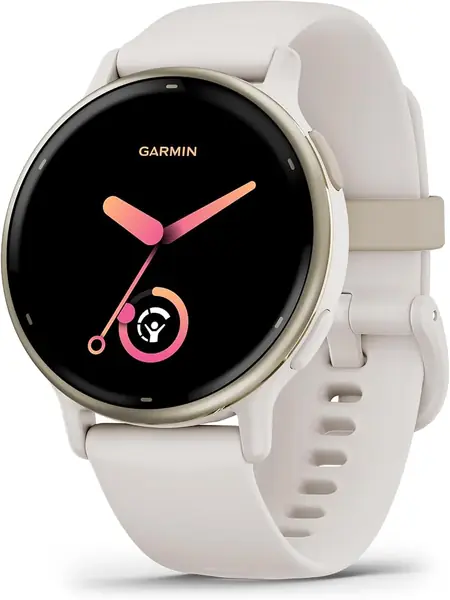
Body Battery and the sleep coach are the two features that lift the Vivoactive 5 above a basic step counter. The watch pairs 24/7 heart rate and stress tracking with sleep, nap, and workout data, then turns it into an energy score for the day. The 42mm case and 1.3-ounce weight keep it comfortable, the 1.2-inch AMOLED screen is easy to read, and Garmin adds HRV status, hydration, and a wheelchair mode.

That combination is why the Vivoactive 5 is our top pick. It gives you more guidance than a watch that simply displays a heart-rate graph, and the built-in GPS and 30+ sports apps mean you can leave your phone behind for a run. The 50-meter water resistance covers pool laps, and the battery is rated for up to 11 days. We kept the recovery and stress views close because they answer the useful question: what should you do next?

Sleep tracking is the place to stay cautious. The score can swing from night to night, so we treat it as a weekly trend rather than a nightly verdict. That is a small caveat on a watch that otherwise gives you the most actionable health picture in this group without becoming a chore to wear.

Pros

  • Turns health data into daily guidance
  • Light enough for all-day and overnight wear
  • Built-in GPS and 30+ sports apps

Cons

  • Always-on display cuts battery to about five days
Our verdict

The Vivoactive 5 is our top pick because it turns heart rate, sleep, stress, and recovery into guidance you can use, in a light watch that is easy to wear all day.
Check Latest Price
2

Amazfit Bip 6 Best Value

89 /100
TKZ Score Excellent

Key details

Health Metrics
HR, SpO2, sleep, stress
Display
1.97-inch AMOLED
Battery Life
Up to 14 days
GPS
Built-in GPS
View on Amazon

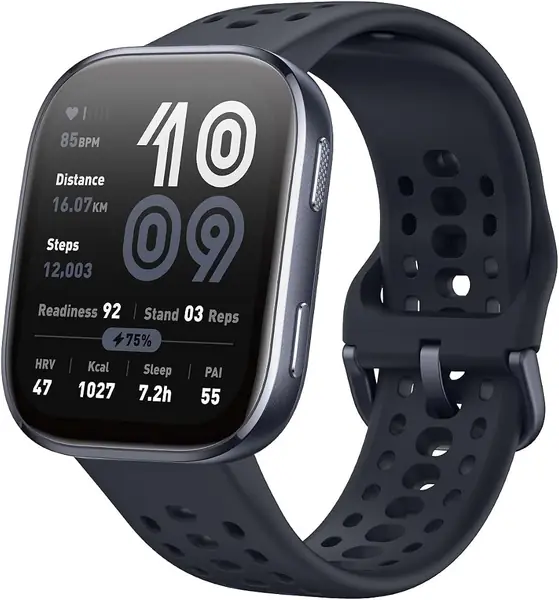
Why spend more? That is the question the Bip 6 keeps asking. It covers the core health numbers—heart rate, blood oxygen, stress, and sleep—on a 1.97-inch AMOLED screen, adds built-in GPS and 140+ workout modes, and still claims up to 14 days between charges. We think it is the best value in this group for someone who wants a health watch without paying for coaching they may not use.

The screen is the part you notice first: 1.97 inches, 390 by 450 resolution, and up to 2,000 nits, which makes it one of the easiest displays to read outdoors here. At 1.44 ounces, it is light enough to wear overnight, and the 50-meter water resistance covers swimming. Bluetooth calling and free downloadable maps are useful extras at this end of the range.

Pros

  • Two-week battery life
  • Large, bright AMOLED display
  • Core health metrics plus GPS

Cons

  • No USB-C charging cable included
  • 46mm case is large for smaller wrists
Our verdict

The Bip 6 is the best value here: core vitals, built-in GPS, a big AMOLED screen, and up to 14 days of battery at a lower price than the top pick.

Check Latest Price
3

Garmin Instinct 3 AMOLED Best for Outdoor Training

88 /100
TKZ Score Excellent

Key details

Health Metrics
HR, sleep, Pulse Ox
Battery Life
Up to 18 days
Weight
1.87 oz
Water Resistance
100 meters
View on Amazon

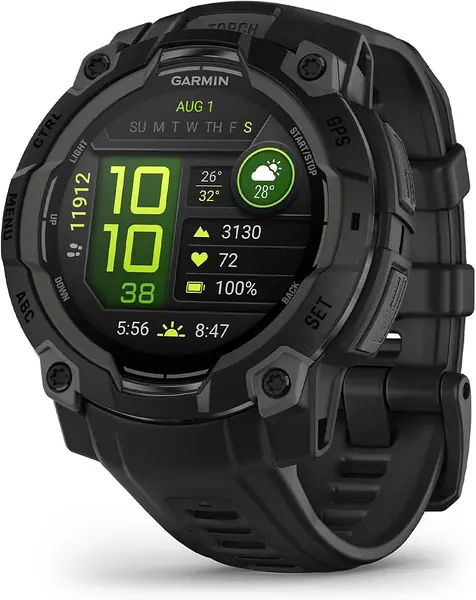
Eighteen days is the number that changes how you use a health watch. The Instinct 3 AMOLED can go more than two weeks between charges, and its 45mm fiber-reinforced case, metal bezel, and 100-meter water resistance make it the one here that clearly expects dirt, rain, and rough handling. The built-in flashlight is a genuinely useful extra: it gives you light at the edge of a trail or in a tent without reaching for your phone.

Garmin's health suite is all here: wrist heart rate, advanced sleep monitoring, Pulse Ox, stress, and hydration, plus multi-band GPS and a barometric altimeter. The button controls make sense with cold or wet hands, and the 1.2-inch AMOLED screen is bright without turning the watch into a phone on your wrist. The 4 GB of storage and 18-day rating make it a better travel watch than most.

The trade-off is weight. At 53 grams, the Instinct 3 is a heavy watch to sleep in, and that is noticeable when you roll over. If you mostly want a sleep and stress tracker, the lighter Vivoactive 5 makes more sense. We recommend the Instinct 3 for hikers, runners, and swimmers who want a tool watch first and a sleep tracker second.

Pros

  • 18-day battery life
  • Rugged 100-meter water resistance
  • Built-in flashlight and multi-band GPS

Cons

  • Button-only navigation
Our verdict

The Instinct 3 is the outdoor health watch we recommend for hikers and swimmers who want 18-day battery, Pulse Ox, and a flashlight, and can accept the 53-gram weight.

Check Latest Price
4

aeac AR-01 Best for Easy Setup

87 /100
TKZ Score Excellent

Key details

Health Metrics
SpO2, heart rate, stress, sleep
Display
1.32-inch AMOLED
Battery Life
Up to 10 days
Water Resistance
3ATM
View on Amazon

Setup is where this one earns its keep. The AR-01 is the rare budget watch that feels simple from the first pairing: the menus are clear, the 1.32-inch AMOLED screen is sharp, and the 43mm case is small enough to wear without thinking about it. It tracks heart rate, blood oxygen, stress, and sleep, and the battery is rated for up to 10 days on a two-hour charge.

We recommend it for anyone who wants a health watch that does not demand a manual. The 3ATM rating covers everyday splashes, and the 110+ sport modes are enough for walking, yoga, and gym sessions. It is the easiest of the budget-friendly picks to live with, provided you do not need standalone GPS.

Pros

  • Easy setup and simple menus
  • Sharp 1.32-inch AMOLED screen
  • SpO2, stress, and sleep tracking

Cons

  • Bluetooth pairing can be finicky
Our verdict

The AR-01 is our pick for the easiest everyday health watch: sharp AMOLED screen, simple setup, and 10-day battery, as long as you do not need built-in GPS.

Check Latest Price
5

MorePro Air6 Best Budget

85 /100
TKZ Score Excellent

Key details

Health Metrics
Heart rate, BP, SpO2, sleep
Display
1.52-inch LCD
Weight
1.12 oz
Water Resistance
IP68
View on Amazon

The Air6 is what a budget health watch should be: light, comfortable, and honest about the basics. It tracks heart rate, blood pressure, blood oxygen, sleep, and menstrual cycles, and it adds more than 120 sport modes without making the watch feel complicated. At 1.12 ounces, it is one of the lightest picks here, and the 1.52-inch screen is easy to read indoors.

The feature we keep coming back to is the comfort: the soft silicone band and small case make it easy to wear overnight, which matters if sleep is the health metric you care about most. The 230 mAh battery charges in about two hours, and a week between charges is a reasonable expectation. It is the budget pick for daily health trends rather than marathon training.

Pros

  • Covers heart rate, blood pressure, SpO2, and sleep
  • Light, comfortable fit
  • Cycle tracking and 120+ modes

Cons

  • No built-in GPS
  • LCD screen is less crisp than AMOLED
Our verdict

The Air6 is the budget health watch we recommend for everyday steps, sleep, and vitals, with a comfortable fit and week-long battery, but no built-in GPS.

Check Latest Price
6

DEKELIFE ET587 Big-Screen Health

84 /100
TKZ Score Excellent

Key details

Health Metrics
HR, BP, SpO2, temperature
Display
1.96-inch AMOLED
GPS
GPS via smartphone
Sports Modes
140
View on Amazon

The 1.96-inch AMOLED is the first thing you notice, and it is the reason to consider this watch. It is one of the biggest screens here, with a 368 by 448 resolution that makes heart-rate, sleep, and stress data easy to scan. The health list is unusually broad for the money: heart rate, blood oxygen, blood pressure, body temperature, sleep, and stress, plus 140 sport modes and Bluetooth calling.

We see it as a big-screen health dashboard for someone who wants to see trends without squinting, and the rectangular case gives you more room for tiles and notifications. The calling feature is handy, and the 140 modes cover everything from walking to strength training. But the GPS is phone-tethered, so this is not the watch for a run without your phone. The body-temperature reading is a trend, not a replacement for a thermometer.

The ET587 earns its place by giving you more metrics and a bigger display than the established names at a similar price. If you want a generous health dashboard and do not mind carrying your phone for GPS, it is an easy choice.

Pros

  • Big 1.96-inch AMOLED display
  • Body temperature and blood pressure tracking
  • Bluetooth calling and 140 modes

Cons

  • Large case may overwhelm small wrists
Our verdict

The ET587 is for the shopper who wants a big health dashboard here, with body temperature, blood oxygen, and blood pressure on a 1.96-inch AMOLED screen.

Check Latest Price
7

Bestinn H32 Pro Best for Low-Cost Vitals

83 /100
TKZ Score Excellent

Key details

Health Metrics
Heart rate, BP, SpO2, sleep
Display
1.58 inches
Battery Life
Up to 7 days
Weight
0.96 oz
View on Amazon

Blood pressure and blood oxygen are the two features that put the H32 Pro on this list. The 1.58-inch watch covers 24/7 heart rate, blood pressure, SpO2, and sleep tracking, plus 120 sport modes, in a body that weighs just 27.22 grams. The graphite black finish is simple and the silicone band is easy to wipe down after a workout.

We like the size for smaller wrists and for wearing overnight: it disappears compared with the 53-gram Instinct 3. The 120 modes are more than most people need, but they are there for walking, running, cycling, and gym sessions. The 7-day battery rating is modest next to the longer claims on the Amazfit and RUXINGX, though the lighter feature set should make it easier to live with.

The 3-year warranty is unusually long for a budget watch, and notification support covers calls and messages without making you dig through menus. What we appreciate most is the straightforward dashboard: heart rate, blood pressure, SpO2, and sleep are front and center rather than buried under workout stats.

We recommend the H32 Pro for someone who wants the core vitals at the lowest price here and does not need built-in GPS. It is the watch you wear when you want the numbers, not a wrist computer. For a bigger dashboard, the DEKELIFE ET587 is the better fit.

Pros

  • Blood pressure and SpO2 at a budget price
  • Very light 27.22-gram build
  • Three-year warranty

Cons

  • Small 1.58-inch display
Our verdict

The H32 Pro is our budget vitals pick: blood pressure, SpO2, heart rate, and sleep in a very light, small watch with a three-year warranty.

Check Latest Price
8

RUXINGX G62 Long Battery Life

82 /100
TKZ Score Excellent

Key details

Health Metrics
Heart rate, SpO2, stress, cycle
Display
1.85-inch LCD
Battery Life
Up to 30 days
Bands
Two included
View on Amazon

Thirty days is the claim that makes the G62 stand out. The 1.85-inch watch has a 1,000 mAh battery rated for up to 30 days, and it still packs heart rate, blood oxygen, stress, and menstrual cycle tracking. Two bands are included, so you can swap the look without buying an extra strap.

The women's health focus is the part we appreciate: cycle tracking is built into the watch, and the stress and SpO2 readings sit alongside it rather than in a separate app. The 110+ sport modes cover the usual walking, running, and gym work, and Bluetooth calling is available when you want to take a call from your wrist.

The 3ATM rating is fine for everyday wear and splashes, and the LCD screen is readable outdoors. The watch relies on your phone for GPS, so it is not the one for phone-free runs. It is a long-battery everyday watch rather than a training tool.

We recommend the G62 for someone who wants the longest battery here and cares about cycle tracking, not for someone who needs standalone GPS. The two-band bundle makes it easy to move from workout to work, and the health dashboard is simple to scan. Treat the 30-day figure as a best-case number: calling, GPS, and bright-screen use will bring it down.

Pros

  • Up to 30-day battery
  • Cycle, SpO2, and stress tracking
  • Two bands included

Cons

  • LCD screen is not as crisp as AMOLED
Our verdict

The G62 is the long-battery pick for cycle tracking and everyday health, with two bands included, as long as you can live without standalone GPS.

Check Latest Price

How We Tested 12 Smartwatches for Health Monitoring

We started by pulling every health-focused watch we could find across three price bands, then cut anything we couldn't confirm had a real optical heart rate sensor — several budget listings promise blood pressure readings no wrist sensor can deliver, and we set those aside. That left 12, and we bought them at retail.

Each watch got at least two weeks as someone's only wearable. My testers wore them to sleep every night, to the gym, on a Saturday morning long walk, through showers, and while washing dishes with the phone in another room to see where Bluetooth calling actually dropped. We paired every watch to both an iPhone and an Android phone, since half the complaints we see come down to one platform working better than the other.

Sleep tracking got the hardest look: we compared each watch's overnight report against our own sleep notes and a chest strap, and noted which ones caught wake-ups we knew happened and which ones smoothed them into a tidy eight hours. For battery life, we charged to full on a Friday and logged when each one died, once with the always-on display enabled and once without, then compared that to the claim on the box. We also timed how long it took a friend who doesn't wear watches to start a workout, knocked each case against doorframes, ran them under the faucet, and wore the dressier ones to dinner to see whether they looked like jewelry or a fitness band.

Value came last, and it's where the list separated: a few cheaper watches matched the expensive ones on screen brightness and call quality, while a couple of pricey models lost ground by needing a charge every other night.

How to Choose a Smartwatch for Health Monitoring

Pick the Health Metrics You Will Use

Every pick here tracks heart rate and sleep, and most add blood oxygen, stress, or blood pressure. The useful distinction is what the watch does with those numbers. A dedicated fitness tracker may show a raw graph, while the Vivoactive 5 turns sleep, stress, and activity into a Body Battery score and a sleep coach. That guidance is worth more than a longer metric list if you want to change a habit.

Treat wrist blood pressure and SpO2 as wellness signals, not clinical measurements. If you need to manage hypertension or lung disease, keep using a validated cuff or pulse oximeter and use the watch for trends between readings.

Balance Battery Life Against the Display

Battery claims are written for the most efficient mode. The Vivoactive 5 is rated for 11 days, but always-on display cuts that to about five; the Instinct 3's 18-day rating and the Bip 6's 14-day rating are the ones to choose if charging every few nights sounds like a chore. AMOLED screens are brighter and more readable outdoors, while LCD panels often stretch further. Choose the screen you will enjoy during the day, then check that the watch can last several nights with sleep tracking on.

Wear It Overnight, So Fit Matters

A health watch spends as much time against your pillow as your wrist. The 53-gram Instinct 3 is noticeably heavier than the 27.22-gram H32 Pro and the 1.3-ounce Vivoactive 5, which makes a difference when you roll over at 2 a.m. Case size matters too: a 1.96-inch rectangle like the ET587 gives you a big dashboard but takes up more space on a small wrist. If sleep tracking is a priority, choose the lightest case you can tolerate and a band you can loosen at night.

Decide Whether You Need Built-In GPS

If you run, hike, or cycle without your phone, built-in GPS is worth paying for. The Vivoactive 5, Bip 6, and Instinct 3 all have it, and the Instinct 3 adds multi-band positioning for tougher terrain. The Air6 has no GPS, and the ET587 and G62 rely on your phone. Phone-tethered tracking is fine for neighborhood walks; it is a nuisance on a run where you want to leave the phone at home.

Check Setup, Pairing, and the App

A health watch is only as good as the data you can see later. Easy setup is worth testing, because Bluetooth pairing is where budget watches stumble. Before the return window closes, pair the watch, record a workout, sleep in it, and sync the results. If the app buries the trends you care about or the connection drops, return it; a pretty screen will not fix a watch that makes you work for your own data.

Frequently Asked Questions

Final Verdict

Most people should start with the Garmin Vivoactive 5. It gives you the clearest health guidance here through Body Battery, sleep coaching, stress, and HRV, in a light 42mm case that is easy to wear overnight. If the priority is value and battery life, the Amazfit Bip 6 covers the core vitals, adds built-in GPS, and lasts longer between charges at a lower price. The Instinct 3 is the better choice for rugged outdoor use, while the AR-01 is the simplest budget alternative.