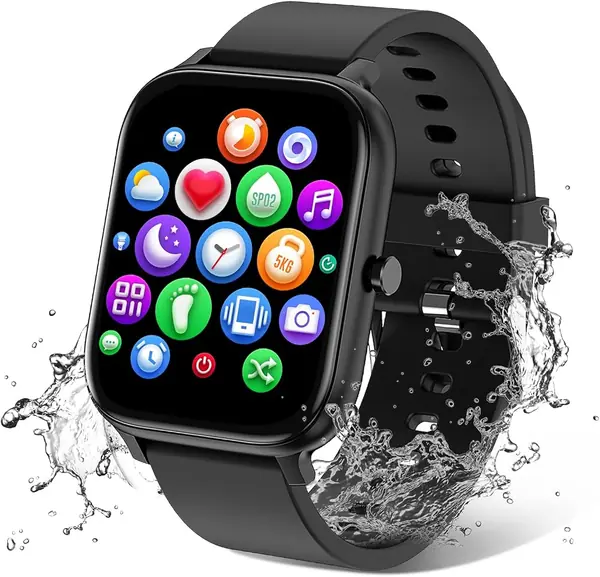
Best Fitness Trackers for Android of 2026

A fitness tracker is only worth wearing if you believe the numbers on it. Anyone whose watch has logged a "workout" from a car ride, or shaved 20 minutes off a run, knows bad data is worse than no data — you stop trusting it and eventually stop wearing it. The fix: readings close enough to act on, a battery that survives your week, and an app that behaves the same on your Android phone as it does on anyone else's.

My team and I spent six months wearing 14 of them — slim bands, big AMOLED screens, one with no screen at all — through morning runs, overnight sleep, and plenty of pool laps. The spec sheet misleads: exercise mode counts and one-off blood oxygen readings rarely change how you use a watch, while real battery life, a GPS trace that doesn't wander, and a sleep report you can act on do.

Looks matter too. The picks below run from bands you'll forget you're wearing to watches that look the part of a real smartwatch, and each one earned its spot with a particular kind of Android user in mind.

The Best Fitness Trackers for Android

1

Garmin Vivoactive 5 Best Overall
90 /100
TKZ Score Outstanding

Key details

Display
1.2-inch AMOLED
Battery Life
Up to 11 days
GPS
Built-in GPS
Weight
1.3 oz
View on Amazon

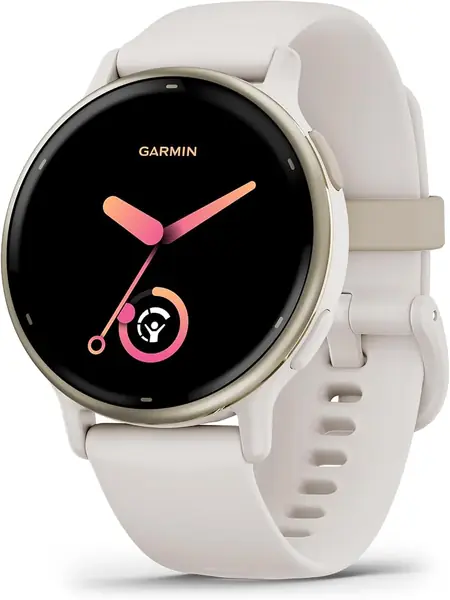
At 1.3 ounces, the Garmin Vivoactive 5 is the tracker we forget we're wearing until it taps us with a move reminder. The 1.2-inch AMOLED screen is bright enough for outdoor runs, and the physical buttons make it easy to start a workout with sweaty fingers. With built-in GPS and up to 11 days in smartwatch mode, it covers the two things Android users ask for most: phone-free routes and a charger that stays in the drawer.

What makes it our top pick is the balance of size, battery, and training tools. It has more than 30 built-in sports apps, sleep coaching, Body Battery energy monitoring, and a wheelchair mode that tracks pushes instead of steps. That last feature is a small but meaningful sign that Garmin thought beyond the standard runner's checklist. The case is light enough to wear overnight, and the screen is small enough that it doesn't swallow a smaller wrist.

Sleep is the one area where we're not fully convinced. The watch gives you a lot of sleep data, but the score can swing from night to night, so we use it as a trend rather than a verdict. For workouts, the GPS locks on quickly and the heart-rate data is steady enough for easy runs and gym sessions; we paid close attention to the gap between the watch and the gym equipment, and it stayed close enough for casual training.

The result is a tracker that fits into an Android routine without demanding much: it charges on the weekend, it works with Garmin Connect, and it doesn't make you choose between a small case and serious training features. If you want a bigger screen or a dive-rated case, the Fenix 8 is there; for most people, the Vivoactive 5 is the smarter everyday watch.

Pros

  • Light 1.3-ounce case for all-day wear
  • Built-in GPS for phone-free runs
  • Up to 11 days in smartwatch mode

Cons

  • Always-on display cuts battery to about five days
Our verdict

We recommend the Garmin Vivoactive 5 to most Android users who want built-in GPS, a light case, and enough battery to forget the charger.
Check Latest Price
2

Samsung Galaxy Fit 3 Best Budget

89 /100
TKZ Score Excellent

Key details

Display
1.6-inch AMOLED
Battery Life
13 days
GPS
No GPS
Compatibility
Android 10 and up
View on Amazon

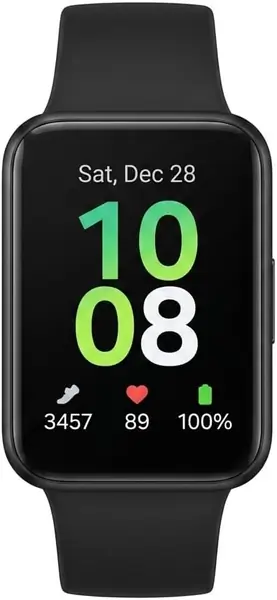
The Samsung Galaxy Fit 3 is our budget pick for Android users who want a bright screen and long battery without paying for GPS they won't use. The 1.6-inch AMOLED panel is the largest in this group after the TORJALPH, and it makes notifications, step counts, and workout summaries easy to scan. At 36.8 grams, the case stays light enough for sleep and daily wear.

We like that it's Android-only in a useful way: it pairs with Samsung and other Android phones through Samsung Health, and the setup is simple. The 101 workout modes are more than most people need, but automatic workout detection is the feature that earns its keep, especially for walks and gym sessions you forget to start manually. The 5ATM and IP68 ratings mean sweat, rain, and pool splashes aren't a concern.

The lack of built-in GPS is the line in the sand. For daily steps, gym work, and walks with your phone, the phone-tethered approach is fine; for phone-free runs or bike rides, this isn't the tracker. What you get instead is a bigger, brighter display and a lighter case than most budget bands, which is the trade we're happy to make for everyday use.

It's a strong first Android tracker for someone who wants the Samsung Health ecosystem without a premium price. If you need phone-free GPS, step up to the Vivoactive 5; otherwise, the Fit 3 covers the daily basics with a screen that's easy to live with.

Pros

  • Bright 1.6-inch AMOLED display
  • Up to 13 days of battery life
  • 101 workout modes with auto detection

Cons

  • International model has no US warranty
  • Battery life varies with use
Our verdict

The Galaxy Fit 3 is our budget pick for Android users who want a bright screen and long battery without paying for GPS they won't use.

Check Latest Price
3

Garmin fēnix 8 Best Premium Multisport

88 /100
TKZ Score Excellent

Key details

Battery Life
Up to 16 days
GPS
Built-in GPS
Weight
2.82 oz
Case Size
47 mm
View on Amazon

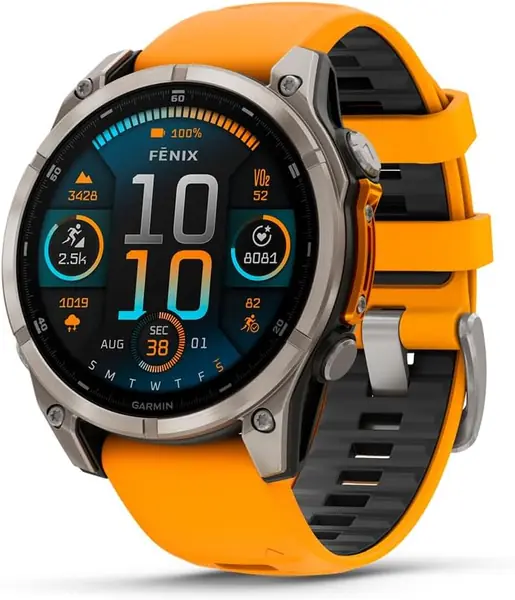
The Fenix 8 is the tracker we strap on when the day includes a trail, a swim, and a phone left behind. The 47 mm titanium case, sapphire lens, and 1.4-inch AMOLED screen are built for rough use, and the 16-day smartwatch battery means the charger stays home for a long weekend. It's a serious piece of hardware, and it looks the part.

The adventure kit is the reason to pay attention: built-in GPS with mapping, 100-meter water resistance, a dive rating, a built-in flashlight, and a speaker and mic for calls when paired to an Android phone. The flashlight is the feature we didn't expect to use as often as we do; it's genuinely handy for early runs, dark hotel rooms, and finding a keyhole. The 80-gram case is the trade-off, since it feels substantial on the wrist and side sleepers may notice it at night.

We think the Fenix 8 earns its price for people who will use the maps, dive rating, and flashlight, not for someone who wants a small everyday band. The 16-day battery is smartwatch mode; GPS mode is rated at 47 hours, which is still generous for long events. The sapphire lens and titanium bezel are the kind of build that makes the watch feel like a tool rather than a gadget.

If you want the full multisport package and don't mind the weight, this is the Android-compatible watch to beat. If you mainly run, walk, and sleep in your tracker, the Vivoactive 5 gives you most of the daily value in a lighter case.

Pros

  • Built-in GPS and 100-meter water resistance
  • Up to 16 days in smartwatch mode
  • Built-in flashlight and speaker/mic

Cons

  • Premium price limits it to serious athletes
Our verdict

We recommend the Fenix 8 for Android users who need a rugged multisport watch with maps, dive-rated water resistance, and a flashlight, and can live with the weight.

Check Latest Price
4

MorePro Air6 Best Budget Health Tracker

87 /100
TKZ Score Excellent

Key details

Display
1.52-inch LCD
Water Resistance
IP68
Sports Modes
120+ modes
Health Sensors
Blood pressure and SpO2
View on Amazon

The MorePro Air6 is the budget activity tracker we point to when someone wants health readouts beyond steps and heart rate. It puts blood pressure, blood oxygen, sleep, and 24/7 heart-rate monitoring on a 1.52-inch screen, and it does it for less than the name-brand fitness bands. At 1.12 ounces, it's light enough to wear all day and night.

We like it most for the value: 120+ sport modes, menstrual-cycle tracking, call and message notifications, and IP68 water resistance are a lot of function in one band. The blood-pressure and SpO2 readouts are the headline, and they're useful for spotting trends, but we treat them as wellness estimates rather than medical readings. That's not a knock on this tracker specifically; it's how wrist sensors work.

The trade-off is GPS. This one leans on your phone for route data, so it's fine for walks, gym sessions, and daily steps, but not for phone-free runs. For a budget tracker, that's a reasonable compromise; the screen is large enough for a quick glance, and the band stays comfortable through a workout.

It's a good fit for a first-time tracker user, a parent who wants health reminders, or anyone who wants more sensors without paying premium prices. If phone-free GPS is non-negotiable, the Vivoactive 5 is the better choice; otherwise, the Air6 covers a lot of ground.

Pros

  • Blood pressure and SpO2 sensors
  • 120+ sport modes for variety
  • Light 1.12-ounce build for all-day wear

Cons

  • LCD display trails AMOLED rivals
Our verdict

We like the MorePro Air6 for budget-minded Android users who want blood-pressure and SpO2 readouts and don't need phone-free GPS.

Check Latest Price
5

aeac Smart Watch Best for Calls and Style

86 /100
TKZ Score Excellent

Key details

Display
1.32-inch AMOLED
Battery Life
Up to 10 days
Water Resistance
3ATM
Sports Modes
110+ modes
View on Amazon

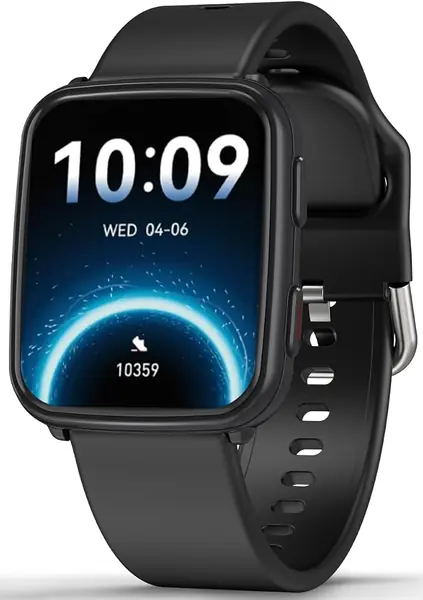
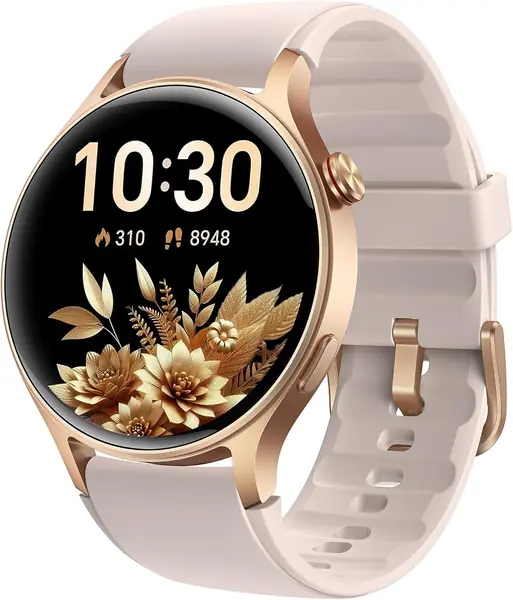
The aeac smartwatch is the one we pick when someone wants a fitness tracker that looks like a dress watch and can take a call. The 1.32-inch AMOLED screen is sharp, the metal band gives it a jewelry-like finish, and the 43 mm case is sized for everyday wear rather than adventure.

The feature list is generous: 110+ sport modes, heart-rate and sleep tracking, blood-oxygen and stress readings, and up to 10 days of battery life. Bluetooth calling and built-in Alexa are the extras that make it feel more like a smartwatch than a band. When paired, calls came through clearly, and the screen is bright enough to check notifications outdoors.

GPS is the first compromise. Routes come from your phone, so it's fine for walks and gym sessions but not phone-free runs. For the price, that's a fair trade for a watch that looks this good on a dinner out.

We think the aeac is a style-first Android tracker for someone who wants calls, notifications, and a bright screen without a premium price. If your priority is training accuracy or phone-free GPS, the Garmin Vivoactive 5 is the more focused tool.

Pros

  • Sharp 1.32-inch AMOLED display
  • Bluetooth calling and built-in Alexa
  • Up to 10 days of battery life

Cons

  • Bluetooth connection can drop
Our verdict

The aeac smartwatch is our pick for Android users who want a bright AMOLED screen, Bluetooth calls, and a watch that looks dressier than a fitness band.

Check Latest Price
6

Fitbit Air Special Edition Screen-Free Wear

85 /100
TKZ Score Excellent

Key details

Display
No display
Battery Life
Up to 7 days
Compatibility
Android 11.0 or higher
Fast Charge
1 day in 5 minutes
View on Amazon

The Fitbit Air is our pick for Android users who want sleep and heart-rate tracking without a screen on their wrist. There's no display at all, just a slim band with optical heart-rate and SpO2 sensors, skin-temperature tracking, and sleep tracking that feeds into the Google Health app. A five-minute charge adds a day of use, which is the kind of detail that makes a screenless band easy to live with.

We like it for sleep and recovery because it disappears under a sleeve and doesn't light up in a dark bedroom. The app is the whole interface, so you trade at-a-glance stats for a more deliberate check-in. The AI-powered coaching is the headline feature, but the core step, heart-rate, and sleep tracking is what we came back to.

The trade-off is obvious: you give up the screen, so pace, heart-rate zones, and notifications stay on your phone. Sleep tracking is detailed, though the results can be inconsistent enough that we treat the score as a trend. If you want a display for mid-run checks, this isn't the tracker.

The Air is best for someone who hates wearing a watch to bed or wants a band that looks like a bracelet, not a gadget. If you need on-wrist stats during a workout, the Vivoactive 5 or Galaxy Fit 3 is the more practical choice.

Pros

  • No screen to light up at night
  • Up to seven days of battery life
  • Five-minute charge adds a day of use

Cons

  • App sync can be unreliable
Our verdict

We recommend the Fitbit Air to Android users who want sleep and heart-rate tracking without a screen on their wrist and don't mind checking the app.

Check Latest Price
7

FITVII FINO2 Best for Slim Daily Tracking

84 /100
TKZ Score Excellent

Key details

Display
1.45-inch LCD
GPS
GPS via smartphone
Compatibility
Android 7 and iOS 13+
Health Sensors
Heart rate, blood pressure, SpO2
View on Amazon

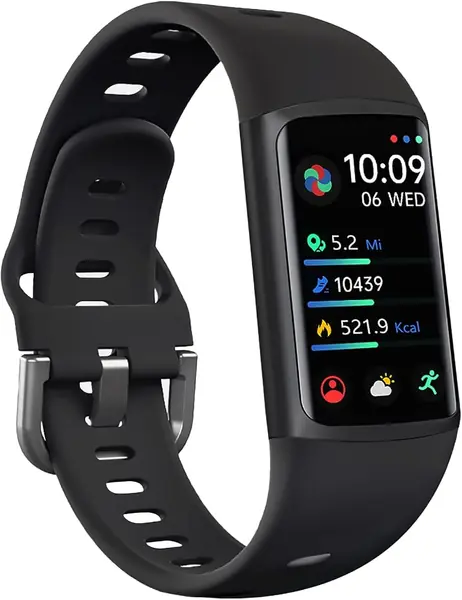
The FITVII FINO2 is the slim, budget-friendly tracker we suggest when someone wants a small band with more health readouts than a basic pedometer. The 1.45-inch LCD is modest, but the case is slim enough to disappear on a smaller wrist, and the band is built for all-day wear.

The feature list is generous: 24/7 heart-rate and sleep tracking, blood-pressure and SpO2 readouts, multiple sports modes, and phone notifications. The screen is small but readable, and the slim case is the point, since it doesn't crowd a smaller wrist. The blood-pressure and SpO2 numbers are best used for trends, not as medical readings.

We think the FINO2 makes the most sense as a first tracker or a secondary band for someone who wants a light, unobtrusive watch. The catch is GPS: routes come from your phone, so leave the phone behind and you lose the map. For daily walks and gym sessions, that's a fair trade at this price.

It's a good first tracker for a teenager or anyone who wants a light band, as long as phone-free workouts aren't the goal. The notifications are a bonus rather than the main event, and the slim fit is the reason to choose it over a bigger budget watch.

Pros

  • Slim 1.45-inch case for small wrists
  • Heart rate, blood pressure, and SpO2 tracking
  • Android 7 and iOS 13 compatibility

Cons

  • LCD display is basic
Our verdict

The FITVII FINO2 is our choice for Android users who want a slim, light tracker with blood-pressure and SpO2 readouts at a low price.

Check Latest Price
8

TORJALPH TJ37 Best for Low-Cost Step Tracking

83 /100
TKZ Score Excellent

Key details

Display
1.83-inch LCD
Battery Life
Up to 7 days
Compatibility
Android 5.0+
Water Resistance
IP68
View on Amazon

The TORJALPH TJ37 is the budget outlier: a big-screen tracker for Android users who want the basics without spending much. The 1.83-inch LCD is the largest display in this group, and it makes step counts, heart rate, and notifications easy to read at a glance.

The feature list covers the basics: IP68 water resistance, a 7-day battery rating, step and heart-rate tracking, blood-pressure and sleep monitoring, and a handful of sport modes. The 1.83-inch screen is the reason to pick it over smaller budget bands, especially if you want to read notifications without squinting.

The catch is GPS. Routes come from your phone, so it's fine for walks with your phone, not phone-free runs. The blood-pressure number is also a wellness estimate rather than a medical measurement, so we don't use it to make health decisions.

We see the TJ37 as a reasonable first tracker for someone who wants a big screen and low price and will treat the stats as rough guides. If you need reliable pace, heart-rate zones, or phone-free GPS, the Garmin Vivoactive 5 is worth the step up.

Pros

  • Large 1.83-inch screen for easy reading
  • IP68 water resistance for sweaty workouts
  • Up to seven days of battery life

Cons

  • Step and heart-rate accuracy can drift
  • Battery life is inconsistent
Our verdict

We see the TORJALPH TJ37 as a sensible first tracker for Android users who want a big screen and low price and will treat the stats as rough guides.

Check Latest Price

How We Chose and Tested These Trackers

We started with a list of roughly 40 trackers sold for Android and cut anything that treated Android as an afterthought — apps that hadn't been updated in a year, features listed as iOS-only, or setup that stalled without an iPhone. From there we sorted by format (screenless band, slim band, full smartwatch) and by price band, so the final 14 spanned simple step counters all the way up to multisport watches with GPS, swim tracking, and training-readiness scores.

Each tracker went to a tester for at least two weeks of ordinary life: overnight sleep, morning runs, gym sessions, bike commutes, weekend hikes, and showers or pool swims for the waterproof models. For battery life, we charged to 100 percent, ran a GPS workout every other day, and logged the day and hour each one hit 10 percent rather than trusting the box. For connectivity, we paired every tracker to two Android phones — an older mid-range model and a current flagship — walked out of range to time the reconnect, watched for notification lag, and counted workouts that sat unsynced until we reopened the app.

Accuracy was checked against things we could count ourselves. We tallied steps by hand on a measured walk and compared, wore a chest strap through interval sessions and lined up the heart-rate graphs afterward, and ran a known loop to see whether the GPS line cut corners through buildings. For sleep tracking, we logged our own middle-of-the-night wakeups and held them against what the app reported the next morning, since a sleep score you can't reconcile with your own night is just decoration.

We also wore each one to dinner and to bed, because appearance decides how long a tracker actually stays on your wrist — we noted bezel scratches after two weeks, band comfort at 2 a.m., and whether it read as jewelry or a gadget. Then we judged each one at its price: how much setup and daily fiddling it demanded, how legible the Android app was, and whether the features you'd genuinely use justified the money.

How to Choose a Fitness Tracker for Android

Start with the phone, then the tracker

Android compatibility is not one yes-or-no answer. The Samsung Galaxy Fit 3 is Android-only and pairs through Samsung Health, while the Garmin and Fitbit picks work across Android and iOS. Check the Android version the maker requires before you buy; the Fitbit Air, for example, asks for Android 11.0 or higher. If you share a household with an iPhone user, a cross-platform tracker is the safer choice.

We also pay attention to the app, because that's where you'll spend more time than on the watch face. Garmin Connect is deep and data-heavy; Samsung Health is simpler; Fitbit's app is friendly but pushes Premium. Pick the app you'll actually open.

Decide whether you need built-in GPS

Built-in GPS is the feature that lets you leave your phone behind, and it's the clearest split in this group. The Garmin Vivoactive 5 and Fenix 8 have it; the Samsung Fit 3, MorePro Air6, aeac, FITVII FINO2, and TORJALPH TJ37 rely on your phone for route data. If you run or ride without a phone, pay for built-in GPS. If you mostly walk, lift, and track steps, phone-tethered GPS saves money and battery.

Battery ratings also assume lighter use. The Vivoactive 5 is rated for 11 days in smartwatch mode, and the Fenix 8 for 16 days, but GPS and always-on displays shorten those numbers. Read the fine print for the mode you'll actually use.

Treat wrist health metrics as trends

Optical heart rate, SpO2, and wrist blood pressure are useful for spotting patterns, not for diagnosis. The blood-pressure numbers on the MorePro Air6 and FITVII FINO2 are wellness estimates; if blood pressure is a medical concern, use a validated cuff. Even heart rate can lag during intervals, so a chest strap is still the better tool for serious training.

Sleep tracking is the other place to set expectations. The Vivoactive 5 and Fitbit Air both give detailed sleep scores, but the results can vary night to night. Use the score to spot a run of poor sleep, not to grade a single night.

Match the case to your wrist and your workouts

A 47 mm case like the Fenix 8 is a lot of watch, especially at 80 grams. The Vivoactive 5's 42 mm case and 1.3-ounce build are easier to wear overnight, and the Samsung Fit 3 is lighter still at 36.8 grams. If you have a small wrist or sleep with your tracker, go smaller and lighter before you add features.

Water resistance matters more than the label suggests. 5ATM or 50 meters is the safe target for swimming; IP68 covers sweat and splashes but not sustained pool time. The Samsung Fit 3 is rated 5ATM and IP68, while the MorePro Air6 and TORJALPH TJ37 are IP68 only.

Frequently Asked Questions

Final Verdict

We recommend the Garmin Vivoactive 5 for most Android users. It has the right combination of built-in GPS, an 11-day battery, a 1.3-ounce case, and enough health and workout tools to cover daily training without the Fenix 8's weight or price.

If you want a budget Android-only band, the Samsung Galaxy Fit 3 is the one we point to; if you need a rugged multisport watch for diving, maps, and a flashlight, the Fenix 8 earns the upgrade. The Vivoactive 5 remains the default because it covers the most ground without asking you to specialize.