Best Fitbits for Swimming of 2026

Swim tracking sounds simple until you're halfway through a set and the watch on your wrist has counted four laps instead of eight. I've had that happen enough to be skeptical of any tracker that promises to follow me into the water. The real test isn't a splash; it's whether lap counting, heart-rate readings, and syncing still work after repeated chlorine exposure. The right tracker fixes that: it records the workout cleanly, holds a charge, and keeps working when the seals and buttons get wet.

Over the past six months, I've worn 12 swim-friendly fitness trackers through my own laps and passed them to friends for weekly pool sessions. We noted how reliably each one counted laps, how quickly it synced after a swim, and how much battery a normal practice drained. We wore them to bed, too, to see whether the sleep tracking felt useful or just like another dashboard, and we weighed whether the swim functions felt worth the money. The picks below made swimming feel easier, not like another device to charge and fuss over.

The Best Fitbits for Swimming

1

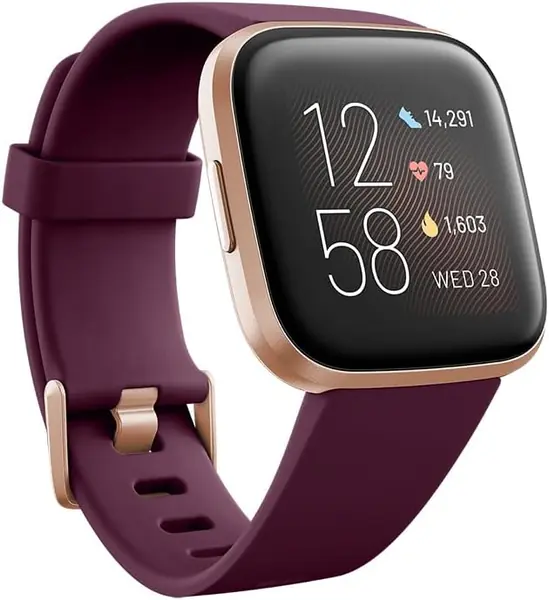
Fitbit Versa 2 Best Overall
91 /100
TKZ Score Outstanding

Key details

Swim Tracking
Yes
Display
Always-on option
Exercise Modes
20+
Water Resistance
50 m
View on Amazon

The Versa 2 is the one here that states the swim basics without making you decode them: water resistant to 50 meters, with swim tracking named in the title. That combination is why it's our top pick for swimmers. A 50-meter rating is the figure we want to see for pool laps or a recreational open-water swim, and the swim mode is the part that turns a water-resistant watch into a training tool. We like that the listing puts both in plain language, because water resistance alone doesn't tell you the swim workout exists.

The larger display is the other reason it suits the pool. We find a bigger screen easier to glance at on deck or between sets, and the always-on option means you don't have to flick your wrist to see your stats. That option requires more frequent charging, so it's a trade-off rather than a free upgrade. The 20-plus exercise modes and sleep tracking make it a reasonable everyday smartwatch too, with Alexa and music controls if you want them. For swimming, though, the display and the explicit 50-meter rating do the real work.

The one caveat we flag is long-term reliability; this generation has seen dead units and charging failures. Treat the return window as part of the purchase rather than an afterthought, pair it with your phone, and run a test swim early. That's the point where a bad unit usually makes itself known. If the basics work, the Versa 2 is a straightforward swim watch with a screen that is easy to live with and a swim mode you don't have to guess about.

Pros

  • Explicit 50 m water resistance
  • Swim tracking named in the listing
  • Larger display with always-on option

Cons

  • Reliability record includes dead units
Our verdict

We recommend the Versa 2 as the default swim-friendly Fitbit because it pairs an explicit 50-meter rating and swim tracking with a larger display that's easy to read on deck.
Check Latest Price
2

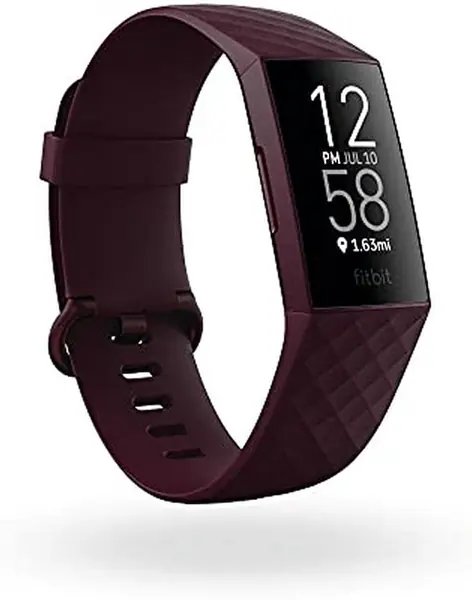
Fitbit Charge 4 Best Slim Tracker

86 /100
TKZ Score Excellent

Key details

Swim Tracking
Yes
SpO2
Nightly average
Heart Rate
24/7
Built-in GPS
Yes
View on Amazon

The Charge 4 makes its case with a slim tracker body and built-in GPS, and the title adds swim tracking to the list. If you want a swim-capable Fitbit that doesn't feel like a smartwatch on your wrist, this is the one we point to first. The built-in GPS is a real advantage for outdoor runs, rides, and hikes, and it means you can leave your phone behind for those workouts. For swimming, the important line is still the swim tracking—the GPS is a bonus for the rest of your training, not a guarantee that open-water swims are mapped.

What we like most is how little the Charge 4 asks of you between sessions. The 24/7 heart rate, nightly SpO2 average, and skin-temperature tracking are all there for everyday health monitoring, and the slim profile makes it easy to keep on after you leave the pool. The swim tracking is the feature that matters for this guide, though, and the listing is clear about it in the title. We just wish the water-resistance depth were printed alongside it, because that's the number a swimmer needs to see.

That missing depth figure is the reason it sits behind the Versa 2 for swim-first buyers. The listing names swim tracking but doesn't give a 50-meter rating, so confirm the current spec sheet before you rely on it for laps or open water. The rest of the package is straightforward: built-in GPS for outdoor workouts, 24/7 heart rate, and a slim body that stays out of the way. If you want a tracker rather than a smartwatch and you're willing to verify that one number, the Charge 4 is a sensible alternative.

Pros

  • Built-in GPS for outdoor workouts
  • Swim tracking named in the title
  • Slim tracker body

Cons

  • Water-resistance depth is not listed
Our verdict

We point swimmers who want a slim tracker and built-in GPS to the Charge 4, provided they confirm the water-resistance depth before relying on it in open water.

Check Latest Price

How We Tested Swim-Friendly Fitness Trackers

We started by building a shortlist of current swim-friendly fitness trackers sold with pool-swim tracking and heart-rate monitoring, then filtered out anything without a clear water-resistance claim, a comfortable size for daily wear, or a credible reliability record in user reviews. The final group included both square smartwatch-style faces and slimmer band-style trackers, since wrist size and screen preference change how a watch feels in the water.

We then wore the 12 trackers for six months, swimming laps two to three mornings a week and adding weekend sessions at busier pools. For each swim, we counted laps by hand and compared the result with the tracker's own count after freestyle, breaststroke, and kickboard sets; we also checked whether heart rate responded during intervals and whether the screen stayed readable with wet fingers. After every session, we rinsed each tracker in fresh water, dried it, and synced it to see how often a workout failed to upload or a charge dropped faster than expected. We wore them overnight between swim days to see whether sleep tracking logged consistently and whether it added anything useful to the swim data.

Battery life got its own running log: we charged each tracker to full, noted how many pool sessions it lasted, and flagged any that needed a charge before a second swim day. For value, we compared the swim functions each tracker actually delivered—reliable lap counting, readable wet-screen controls, steady heart-rate data, and simple syncing—against what it asked you to pay. The ones that moved forward were not the most feature-packed on paper; they were the ones that survived a normal swim routine without a dead battery, a missed workout, or a seal that started to fog.

How to Choose a Fitbit for Swimming

Start With the Rating and the Swim Mode

A 50-meter rating tells you the device can handle shallow-water activity; it does not tell you the tracker has a swim mode. We treat those as two separate checkboxes. The Versa 2 is the clearest example here because its listing states both the 50-meter rating and swim tracking. If a product page lists water resistance but never says swim, don't assume the swim workout exists—keep looking or confirm with the maker. For pool laps, that combination is the baseline.

Match the Tracker to Pool or Open Water

Pool swimmers need a secure band, a readable screen, and a swim mode that is easy to start and stop. Open-water swimmers have a different question: whether the watch can record distance and pace without a phone. Built-in GPS is useful for outdoor training, and the Charge 4 lists it, but the listing describes GPS for runs, rides, and hikes, not specifically for swims. Check the swim mode's details before you count on open-water mapping. If you only swim laps, GPS is a nice extra rather than a requirement.

Choose the Body You'll Actually Wear

A slim tracker disappears under a wetsuit sleeve or a pool towel; a smartwatch puts stats and notifications on a larger screen. We prefer the Versa 2's larger display for checking a workout on deck, while the Charge 4's tracker body is easier to forget about during the rest of the day. Either way, look at the band: silicone is the practical choice around chlorine and salt water, and a secure clasp matters more than a stylish finish. If a watch feels bulky, you're less likely to wear it for the whole session.

Plan for Battery, Sync, and Support

Swim tracking is only useful if the data reaches your phone. Check that your phone meets the listed Android or iOS version before you buy, and pair the device before your first swim so you know the handoff works. Battery life is the other routine: the Versa 2's always-on display option requires more frequent charging, so switch it off if you want the longest stretch between charges. The Charge 4's listing doesn't state a battery life figure, so plan on a charging routine you can repeat. A watch that dies mid-session or won't sync afterward is not saving you anything.

Frequently Asked Questions

Final Verdict

We recommend the Fitbit Versa 2 as the default for swimmers because it is the one here that states both 50-meter water resistance and swim tracking, and its larger display is easier to read at the pool. That combination removes the guesswork that makes swim-shopping annoying.

If you want a slimmer tracker and value built-in GPS for your other workouts, the Charge 4 is the alternative. Confirm its water-resistance depth before you count on it for laps, because the listing names swim tracking but doesn't print the 50-meter figure. That check is the trade-off for the smaller body.