Best AirPods Max Alternatives of 2026

Anyone who has flown with a baby crying three rows back knows the appeal of noise-canceling headphones. The catch: the pair everyone recommends is expensive and doesn't fit every head, phone, or budget the same way. What you're really after is quiet on demand, clean sound, and a battery that lasts a workweek.

I've lived in over-ear headphones for years — packed subway cars, a loud open-plan office, red-eyes — and over the past seven months my team and I ran 12 pairs through the same routine. Two things surprised me: spatial audio and hi-res codecs get top billing on the box but only pay off if your phone supports them, and the strongest noise cancellation often brings a faint pressure in your ears that some people notice and others never do.

Comfort is the spec nobody advertises and the one you feel first at hour three. Every pair below survived a full workday without a break, a week of commuting on one charge, and calls where the person on the other end never guessed I was outside. Here's what held up.

The Best AirPods Max Alternatives

1

Bose QuietComfort (2nd Gen) Best Overall
91 /100
TKZ Score Outstanding

Key details

Battery Life
24 hours
Bluetooth
5.4
Weight
8 oz
In The Box
Hardshell case, audio cable, USB-C cable
View on Amazon

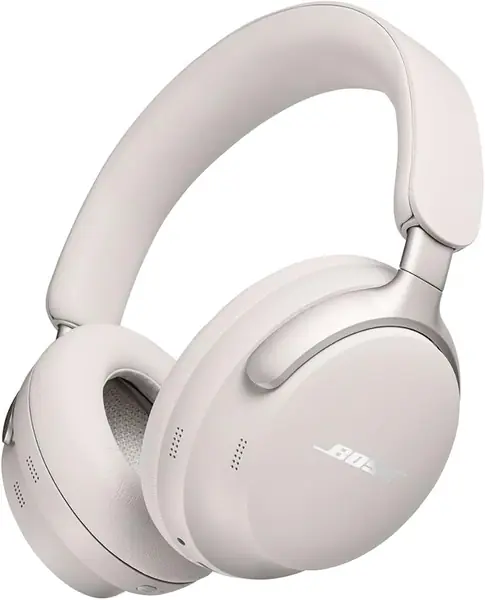
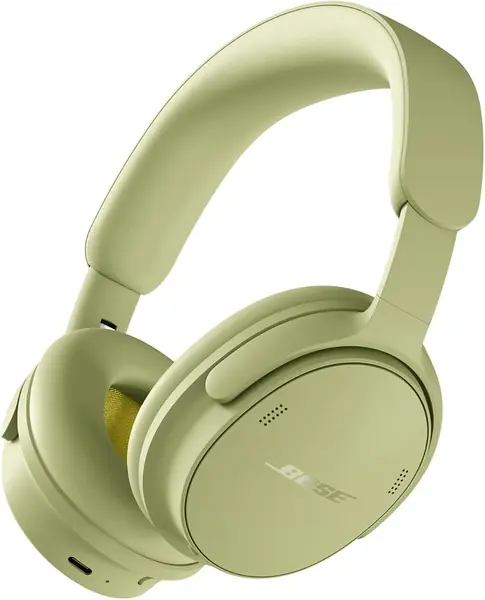
Bose's second-generation QuietComfort costs roughly half what AirPods Max do, and it's the pair we reach for first when someone wants the premium over-ear experience without the premium receipt. What you give up is the machined aluminum and the automatic hand-off between Apple devices. What you keep is the noise cancelling Bose built its reputation on, pill-shaped earcups on a wider, softer headband, and a genuinely light 8-ounce frame. Of all the trades in this article, that one is the easiest to make.

Eight ounces is the figure that matters at hour three of a flight. These stay comfortable without the hot, clamped feeling heavier pairs develop, and the synthetic leather on the band spreads the pressure instead of concentrating it. The controls are physical buttons rather than a touch panel, which we preferred: you press for volume instead of swiping at your own ear, and it works when your hands are cold or covered.

The mode set is more useful than most. Quiet is full cancellation, Aware lets the gate announcement through, and Immersion and Cinema widen the soundstage for movies without giving up the quiet. Everything travels in a hard shell case with both an audio cable and a USB-C cable, so a dead battery on a long flight isn't the end of your movie. Bluetooth 5.4 held its connection in our testing, and setup took a minute.

Pros

  • Flagship Bose cancellation at mid-tier money
  • Light 8-ounce frame stays comfortable for hours
  • Physical buttons instead of a fussy touch panel

Cons

  • No track skip on the earcup
  • 24-hour battery trails far cheaper rivals
Our verdict

We recommend the QuietComfort 2nd Gen to anyone who wants flagship noise cancelling and all-day comfort without AirPods Max money; it's the most balanced premium pair here.
Check Latest Price
2

Sony WH-1000XM6 Best Noise Cancelling

90 /100
TKZ Score Outstanding

Key details

Battery Life
30 hours
Bluetooth
5.3
Weight
8.96 oz
Microphones
12
View on Amazon

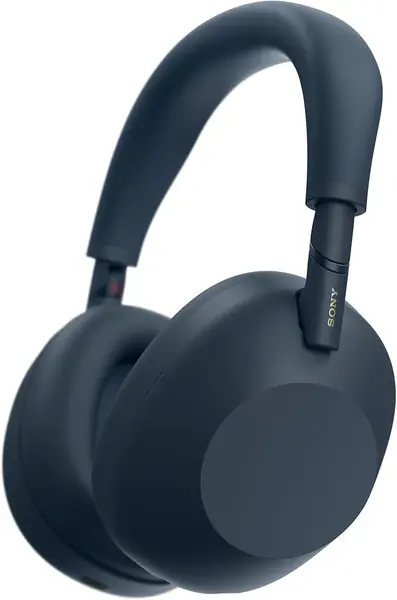
Twelve microphones, Sony's QN3 processor, and an adaptive optimizer that re-tunes in real time: on hardware alone, this is the most serious noise canceller in the group. The spec sheet isn't overselling it. Engine drone drops away to a hush, office chatter stops at the edge of the earcup, and the transition between modes happens without that odd pressure pop cheaper pairs produce.

We still stop short of calling it the default. It sits in AirPods Max territory on price, so you're paying for quiet rather than saving money, and the clamp is tight enough that a long workday leaves its mark on some heads. The sound is clean and detailed rather than warm. If you want most of this silence for considerably less, the QuietComfort above is the better buy, and we say that knowing the Sony cancels more.

Everything else is thoughtfully done. It folds into a compact case with a magnetic closure that actually stays shut, the 30 hours of playback covers a long round trip with charge to spare, and the detachable cable keeps you listening when the battery doesn't. At 8.96 ounces it's light for how much hardware is packed inside.

Pros

  • The strongest noise cancelling in this set
  • Folds into a compact magnetic-closure case
  • 30 hours plus a detachable cable as backup

Cons

  • Priced within reach of AirPods Max itself
  • Tight clamp and earcup-ring wear over time
Our verdict

If quiet is the whole point, the XM6 is the pair we point to: twelve microphones and Sony's QN3 processor make it the most effective canceller here, provided you're fine paying near-Apple money.

Check Latest Price
3

JBL Live 770NC Best Value

89 /100
TKZ Score Excellent

Key details

Battery Life
65 hours
Bluetooth
5.3
Charge Time
2 hours
Water Resistance
Water resistant
View on Amazon

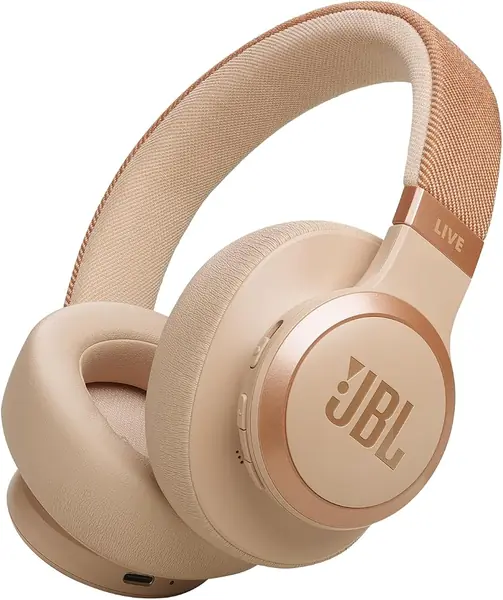
Some people want the quietest cabin on earth. Most people want a pair they charge on Sunday and don't think about again until the next Sunday, and the Live 770NC is built for exactly that: 65 hours of playtime, adaptive cancellation, and a price that sits in the middle of this group. It's the value pick, and it's the one we suggest first to commuters who aren't chasing Bose-level silence.

Four noise-sensing microphones drive the adaptive cancellation, which handles train rumble and office HVAC well. It isn't the deepest hush here, and in a genuinely loud cabin the Bose and Sony pull ahead, but it's the kind of quiet that makes a commute feel shorter rather than the kind that erases the world. The 40mm drivers carry JBL's usual bass-forward signature, and the fabric headband keeps the clamp reasonable on warm days.

The practical details are where this one keeps earning its place. Music pauses when you take the headphones off and resumes when you put them back on, the two-hour charge is quick enough to top up before you leave, and it's rated water resistant, which is unusual in this group and the reason it's the pair we take to the gym. A cloth pouch and a detachable audio cable round out the box.

Pros

  • 65 hours of playtime on a single charge
  • Adaptive cancellation handles commutes well
  • Water resistant, so gym use isn't a gamble

Cons

  • Reliability is the weak link in the long run
Our verdict

For anyone who wants to charge once a week and forget about it, the Live 770NC is the value play: 65 hours, adaptive noise cancelling, and comfort that holds through a work week.

Check Latest Price
4

CMF by Nothing Headphone Pro Best Budget

88 /100
TKZ Score Excellent

Key details

Battery Life
50 hours with ANC
Bluetooth
5.4
Weight
9.98 oz
Driver
40 mm
View on Amazon

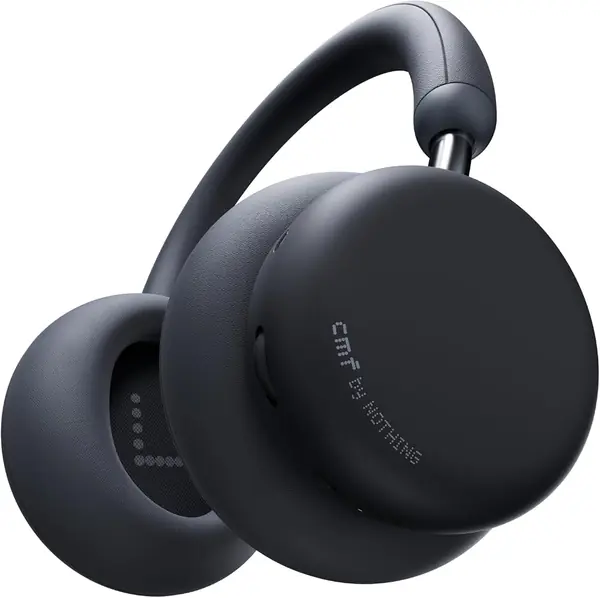
Set the Headphone Pro next to the Sony and the Bose and the first thing you notice is what it doesn't cost. The second is the battery figure: 50 hours with noise cancelling running, roughly double what the premium pairs manage, from a set that weighs 283 grams. Nothing about that math is normal at this end of the market.

That combination is why it's our budget pick and the one we hand to people who want the over-ear look without committing AirPods Max money. The 40mm drivers with LDAC cover hi-res streaming, the adaptive cancellation is rated to 40 dB and does its job on office hum and train noise, and the app gives you a bass and treble slider. That slider is a small thing that turns out to matter more than the preset curve, because it lets you fix the tuning instead of living with it.

Spend five minutes with the shell and you know where the money went instead. This is a plain matte plastic frame, not anodized aluminum, and next to the Bose it looks its price. The controls are physical buttons with decent travel, the frame folds, and a protective case comes in the box, so living with it is easier than the finish suggests.

Pros

  • Fifty hours with active noise cancelling on
  • LDAC and hi-res certification on a budget
  • 283 grams, light enough to wear all day

Cons

  • Plastic build looks and feels its price
  • Noise cancelling trails the premium picks
Our verdict

The Headphone Pro is the budget pick we actually recommend: 50 hours with noise cancelling on, LDAC, and a comfortable 283-gram frame for a fraction of the premium pairs' price.

Check Latest Price
5

Bose QuietComfort Ultra Best for Spatial Audio

87 /100
TKZ Score Excellent

Key details

Battery Life
24 hours
Bluetooth
5.3
Weight
8.89 oz
Audio Modes
Quiet, Aware, Immersion
View on Amazon

The most immersive sound in this group comes with the widest gap between how good it sounds and how well it behaves over months. The QuietComfort Ultra pairs full cancellation with Bose Immersive Audio, head-tracked processing that puts the band in front of you instead of inside your skull, and nothing else here does that trick as convincingly. It's also the pair whose long-term record reads least cleanly, which is why it isn't our top pick.

Comfort lives up to the price. At 252 grams the Ultra sits lightly, the cushions seal without pressing on the jaw, and the band spreads weight across the crown rather than a single hot spot. CustomTune plays a short tone and adapts the sound to your ear canal every time you put them on, which sounds like a marketing line and isn't: the difference in bass consistency between wearers is real.

The touch slider on the earcup handles volume better than most implementations, and the modes are worth learning. Quiet for the commute, Aware for the coffee counter, Immersion when you want the room to disappear entirely. Setup runs through the Bose app, so install it at home rather than at the gate, and SimpleSync lets you pull the audio from a Bose soundbar when you want to watch without waking anyone.

If you've been chasing the AirPods Max spatial-audio effect in a non-Apple pair, this is the closest thing to it in this group, and we'd point you here over the cheaper QuietComfort for that alone. Buy it for the soundstage. Keep the receipt for everything else.

Pros

  • Immersive Audio is the best spatial effect here
  • 252 grams with cushions that seal gently
  • CustomTune adapts sound to your ears

Cons

  • Bluetooth pairing takes more patience than it should
  • Earpads show wear early
Our verdict

The Ultra is the most cinematic listen here, and we recommend it to movie lovers who want real spatial audio in a headphone, as long as they accept a shakier record than the Bose below it.

Check Latest Price
6

Cambridge Melomania P100 SE Best for Long-Term Ownership

86 /100
TKZ Score Excellent

Key details

Battery Life
100 hours
Bluetooth
5
Codec
aptX Lossless
Replaceable Parts
Battery and earcups
View on Amazon

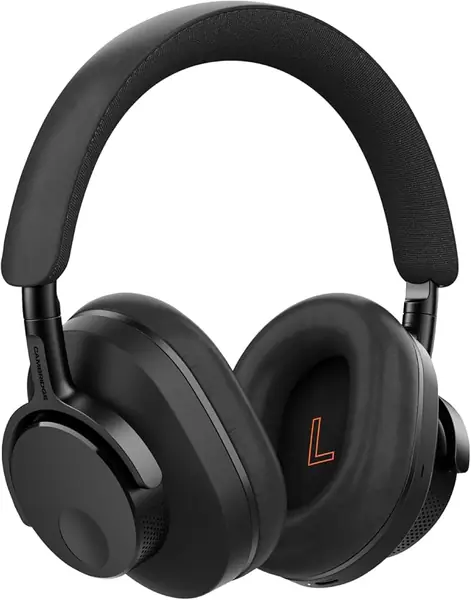
Most headphones die because one part wears out. The Melomania P100 SE is built for the person who'd rather swap that part than replace the whole pair: the battery and the earcups come out, and Cambridge Audio sells the replacements. In a category where a two-year-old pair usually means a landfill decision, that's the most quietly radical thing on this page.

The sound is the reason to care beyond the repair story. Cambridge's tuning is detailed and open, with a flat mode for people who don't want the bass pushed, and DynamEQ rebalances the output as you turn the volume down so quiet listening doesn't go thin. aptX Lossless is on board for Android phones that support it, and the 100 hours of playback is the longest here by a wide margin.

Noise cancelling is competent rather than exceptional: steady office hum and fan noise disappear, but the Bose pair handles a loud cabin more completely. They don't fold, though they lie flat in a sturdy zippered case, and at 0.7 kg they're the heaviest set in this group, which suits a desk more than a commute. What we keep coming back to is the arithmetic of ownership. A pair you can re-battery in five years is a pair you don't replace in three.

Pros

  • Battery and earcups are user-replaceable
  • 100 hours of playback, the longest here
  • aptX Lossless with DynamEQ tuning

Cons

  • Heavy at 0.7 kg for long sessions
  • Noise cancelling trails the Bose and Sony
Our verdict

We recommend the Melomania P100 SE to the listener who keeps a pair for years: a replaceable battery and earcups, 100 hours of playback, and audiophile tuning for less than the Bose Ultra.

Check Latest Price
7

UGREEN HiTune Max5c Best for Budget Desk Listening

85 /100
TKZ Score Excellent

Key details

Battery Life
45 hours with ANC
Bluetooth
5.4
Weight
9.31 oz
Codec
LDAC
View on Amazon

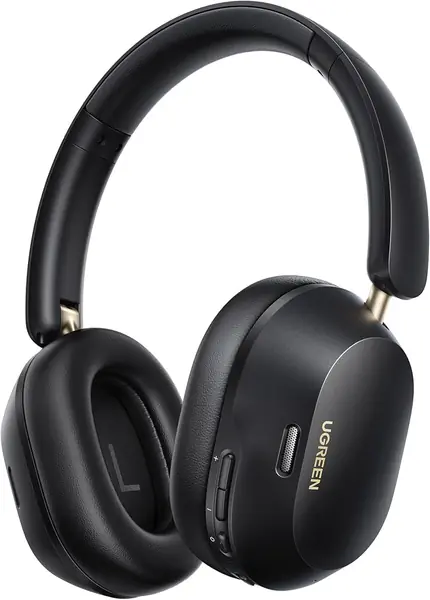
LDAC at 990 kbps, hi-res certification, Bluetooth 5.4, and 45 hours with noise cancelling on, all for well under what the mid-tier pairs ask. The HiTune Max5c puts a spec sheet that belongs a tier or two up into a budget headphone, and that's the entire reason it's on this list.

Day to day it's a comfortable, light pair. The memory foam cushions sit around the ear rather than on it, the frame folds for a bag, and dual-device pairing means your laptop holds the call while your phone keeps the music. The app's EQ presets are worth a pass, and there's a USB-C audio cable in the box if you want a wired session without hunting for a dongle.

Cancellation is the honest limit. It tames a fan, a train, and a shared office without complaint, and it doesn't erase a cabin the way the Bose does. For the money, though, it's hard to argue with: this is the pair we suggest as a second set, a desk companion, or a first step into over-ear listening that doesn't hurt if it gets left behind.

Pros

  • LDAC hi-res audio on a budget
  • 45 hours of playback with ANC on
  • Dual-device pairing and USB-C audio

Cons

  • Sound is flat until you work the EQ
  • Cancellation tames hum, not whole cabins
Our verdict

The HiTune Max5c is the least expensive way into LDAC and 45 hours of noise-cancelled listening, and we think it's the right second pair for a bag or a desk.

Check Latest Price
8

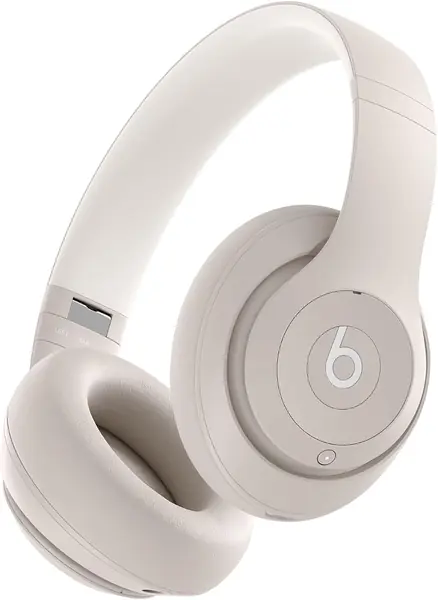
Beats Studio Pro Best for Apple Device Pairing

84 /100
TKZ Score Excellent

Key details

Battery Life
40 hours
Weight
9.2 oz
Spatial Audio
Dynamic head tracking
Wired Listening
USB-C lossless
View on Amazon

Open them near an iPhone and they pair themselves. The Studio Pro gives you the same one-touch hand-off you get from AirPods, plus personalized spatial audio with head tracking and USB-C lossless when you plug in. For anyone already living inside Apple's ecosystem, that combination is the closest an alternative gets to just working without being asked.

The tuning leans warmer than the Bose, with more thump and less air, which suits hip-hop, podcasts, and noisy commutes better than acoustic recordings. Forty hours of playback covers a week of commuting, the frame folds down for a bag, and there's a 3.5mm option for in-flight entertainment when the battery is done.

The durability story is the one to hear before buying. The headband and the hinge at the fold are where these break, and they break at the same stress point on both sides, usually after a year or so of daily handling. Treat them as a pair that lives in a case rather than loose in a tote, and consider a protection plan if you're hard on gear.

That leaves a recommendation with a habit attached. For Apple users the pairing and the lossless mode are better than anything else here, and the fold is the part to watch. If you want a pair you can throw in a bag without thinking about it, the Bose or the JBL will outlast it.

Pros

  • One-touch pairing with Apple and Android
  • USB-C lossless and head-tracked spatial audio
  • Forty hours of battery and a foldable frame

Cons

  • Noise cancelling is middling next to Bose and Sony
  • Clamp runs tight on larger heads
Our verdict

We recommend the Studio Pro to iPhone owners who want the AirPods-style hand-off in an over-ear pair, just treat the headband gently, because that's where these fail.

Check Latest Price

How We Tested the Best Over-Ear Noise-Canceling Headphones

We built the shortlist by reading listings and customer reviews for every over-ear, noise-canceling model we could get our hands on, then narrowed to 12 pairs that spanned prices, codec support, app controls, and multipoint pairing. Those 12 went everywhere with us for seven months — home, office, and the occasional flight — on the same schedule so the comparisons would hold.

Noise cancellation and sound came first. I wore each pair on the same rush-hour subway line and in an open-plan office, noting what vanished (ventilation roar, a droning air conditioner) and what didn't (voices, keyboard clatter, a baby two rows over). I listened to the same three tracks — bass-heavy, acoustic, spoken word — and switched spatial audio and hi-res modes on and off, using one phone that supports the better codecs and one that doesn't, to hear whether the upgrade was real or just print on the box. I also tracked whether turning noise cancellation on altered the tone of the music, and whether my ears felt pressurized after 20 minutes.

Comfort got the long test: eight-hour workdays, with notes on clamp force at hour two, headband pressure, and how the pads treated my glasses, plus a colleague with a bigger head trying every pair. We ran each set from full to empty with noise cancellation on, timed the USB-C top-ups, and compared the battery percentage the app claimed against the hours we actually got. Phones and laptops stayed paired to two devices at once, calls were answered mid-podcast, and range was checked from two rooms away. Every pair also rode loose in a backpack for a week to see what creaked. Then we weighed the price against what each one delivered — a headphone that silences the world but fights your head isn't a bargain.

How to Choose Airpods Max Alternatives

Noise cancelling separates the tiers more than price does

Budget pairs use hybrid cancellation that excels at steady, low-frequency sound: engine drone, fans, the hum of a train. Premium systems add adaptive processing and more microphones, which is what lets them handle changing noise and voices, not just rumble. That difference is invisible on a spec sheet but obvious in a loud room.

We think the break point is how often you fly. Once a month or more, the Bose and Sony tier earns its money. If your noise is an open office and a bus, a well-made budget pair handles it, and you can put the difference into comfort instead.

Read the battery number with ANC switched on

Listings tend to quote the ANC-off figure first, and the gap is large: one pair here runs 75 hours without cancellation and 45 with it. Noise cancelling is a constant power draw, so the honest number is the one with it running.

Twenty-four hours is fine if you charge nightly the way you charge a phone. If you want to forget the cable for a week, look for 40 hours or more with cancellation on.

Hi-res codecs are an Android feature, not a universal upgrade

LDAC and aptX Lossless only work on Android phones and some laptops. An iPhone negotiates AAC over Bluetooth no matter what the box promises, so paying extra for a codec you can't transmit is money spent on nothing. iPhone owners should weight cancellation, comfort, and the hand-off between Apple devices instead.

Wired listening is the workaround worth checking: a 3.5mm jack and an included cable keep you listening on a dead battery, and a USB-C audio input can carry lossless from a laptop.

Weight, clamp, and the parts that wear out

Most pairs here land between 250 and 300 grams, which is the range where a full workday stays comfortable. Above that, the weight moves to the top of your head and the clamp has to work harder to keep the seal, and that is where comfort complaints start.

Earpads are the first thing to go, usually within a couple of years of daily use, and a battery typically fades after a few. Check whether either is replaceable before you buy: it's the difference between a five-year pair and a two-year one, and only one product in this group sells both parts.

Frequently Asked Questions

Final Verdict

The Bose QuietComfort 2nd Gen is the pair we tell most people to buy. It delivers the noise cancelling and the all-day comfort that make AirPods Max worth owning, for about half the money, and it doesn't ask you to learn a new control scheme to get it.

If the quietest possible cabin matters more than the savings, the Sony WH-1000XM6 is the step up. If the budget is the whole story, the CMF Headphone Pro hands you 50 hours with cancellation on and LDAC for a fraction of either.