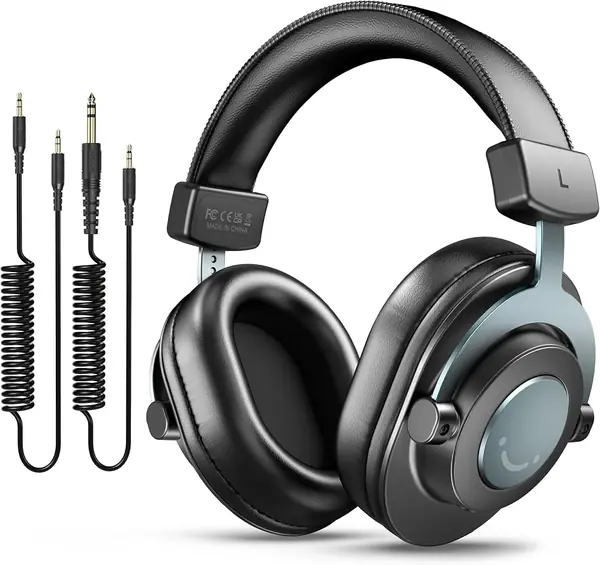
Best Wired Headphones for Audiophiles of 2026

The grille on the outside of an audiophile headphone isn't decoration — it's the whole decision. Open-back pairs let air move behind the driver, which is why they set a singer a few feet in front of you, and why the whole room hears your music. Closed-back pairs trade that width for isolation and bass you feel in your chest. I've spent eight months with 12 pairs of both kinds, and that split explained more than any spec sheet.

Comfort is the part nobody believes until hour four. A clamp that feels reassuring in a five-minute demo is a headache by the end of a workday, and pads that don't detach cap the headphone's life at the life of its foam. The cord matters too — a long studio coil is a gift at a desk and a nuisance on the sofa.

None of these are gas-station cheap, so value is really a purchase question: not what a pair costs today, but how many years of listening you get before something gives. The picks below earned their spots on tone, comfort, or both.

The Best Wired Headphones for Audiophiles

1

Sennheiser HD 600 Best Overall
95 /100
TKZ Score Outstanding

Key details

Design
Open-back, over-ear
Impedance
300 ohm
Cable
Detachable Kevlar-reinforced
Weight
9.1 oz
View on Amazon

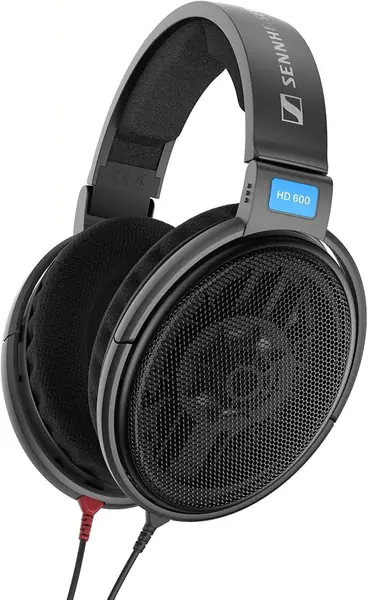
The HD 600 is the pair in this guide that asks the most of the rest of your system. Its open-back cups let the drivers breathe, and the black-and-gray frame with metal mesh looks like a desk tool rather than a lifestyle accessory. We spent long listening sessions with it and came away impressed by how little it called attention to itself on the head. The 9.1-ounce weight and plush pads kept the experience comfortable, even when we moved from one album to the next.

What makes it worth the amp is the way it balances detail and natural weight. The 300-ohm impedance is the catch: this is not a phone headphone, and a proper desktop amp is what lets the low end fill in and the stage open up. Driven well, voices and acoustic instruments have body without sounding thickened, and separate lines stay easy to follow. We liked that it rewards a good recording without making poor ones unlistenable.

The detachable Kevlar-reinforced cable is a practical detail on a headphone at this level; a snag does not have to mean a repair. The open mesh cups also make the HD 600 feel airy, which is part of why it stays comfortable through a long session. We did not miss a folding mechanism, because this is not a pair built for a bag. It is a stay-at-home headphone in the best sense.

It is also the least forgiving of the open-backs here about source quality. Feed it a thin laptop jack and the sound can feel polite rather than alive; give it a real amp and the same recording has weight and movement. The open mesh cups are part of that transparency, and they are also the reason the headphone is so easy to listen through.

Pros

  • Natural, open presentation for critical listening
  • Detachable cable protects a long-term investment
  • Low weight and plush pads suit long sessions

Cons

  • Open-back design leaks sound
  • Snug clamp may need break-in
Our verdict

Our top pick for a quiet desktop rig, the HD 600 gives the most natural open presentation here, provided you feed it a proper amp.
Check Latest Price
2

Sennheiser HD 599 SE Best Easy-To-Drive Open-Back

94 /100
TKZ Score Outstanding

Key details

Design
Open-back, over-ear
Impedance
50 ohm
Weight
9.17 oz
Cables
3 m 6.3mm and 1.2 m 3.5mm detachable
View on Amazon

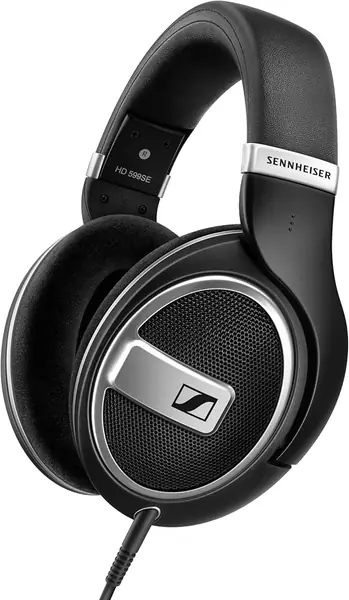
The HD 599 SE is the open-back pair we point to when someone wants space and separation without building a desktop system first. At 50 ohms and 106 dB sensitivity, it runs from a laptop, a phone with a dongle, or a modest hi-fi setup. The two detachable cables, one long with a 6.3mm plug and one short with a 3.5mm plug, cover desk and portable use better than most. We liked that the swap takes seconds, so the same pair moves from a computer to a couch without a drawer full of adapters.

The open-back earcups give it a spacious, easy presentation, with precise highs and a midrange that keeps voices in front. Bass is controlled rather than plush, so it is not the pick for someone chasing club weight. We found the velour pads and 9.17-ounce build comfortable for a full afternoon, and the broad headband spread the weight well.

There is a clear step down from the HD 600 in resolution and a clear step up in convenience. The 599 SE is the more forgiving headphone on a laptop, and its open cups still give that sense of air. It is also less fussy about source quality, which matters if the source is a work laptop. That is a fair trade for the convenience.

Pros

  • Easy to drive from a laptop or phone
  • Two detachable cables cover desk and portable use
  • Plush velour pads and light weight for long sessions

Cons

  • Open-back design offers no isolation
Our verdict

We like the HD 599 SE as the everyday open-back: easy to drive, comfortable, and delivered with two useful cables.

Check Latest Price
3

beyerdynamic DT 770 Pro 80 Ohm Best Closed-Back for Isolation

93 /100
TKZ Score Outstanding

Key details

Design
Closed-back, over-ear
Impedance
80 ohm
Cable
3 m straight
Weight
9.5 oz
View on Amazon

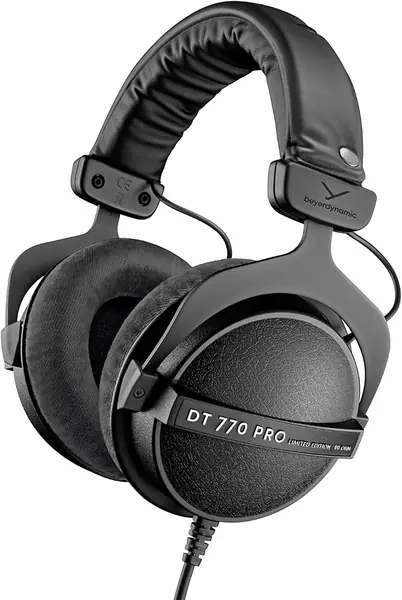
The DT 770 Pro 80 Ohm is built around a closed-back cup and a pair of black velour pads, and that combination is the reason it earns a place here. The velour is soft and breathable, the metal yoke feels sturdy in the hand, and the 9.5-ounce weight is distributed evenly enough for a long editing session. This is a headphone that looks and feels like studio equipment, not a fashion piece.

The 80-ohm version is the one to pick if you want a single pair for a desk and a modest headphone amp. It will make sound from a phone, but it tightens up with more current, and the 3m straight cable gives you room to move without an extension. The closed cups keep keyboard clatter and office chatter from pulling focus, which is the whole point of choosing this over the open-back picks.

We were impressed by how it handles bass without turning into a party headphone. The low end has weight and punch, the mids stay present, and the highs are crisp enough to expose a bad recording without scraping. We found it especially good for long sessions in a shared room, where the isolation let us listen at a lower volume. It is not as airy as the open-back Sennheisers, and that is the trade for keeping the world out.

Pros

  • Closed-back isolation for noisy rooms
  • Velour pads stay comfortable for hours
  • Full bass with clear mids and highs

Cons

  • Long fixed cable can snag
  • Clamp runs firm at first
Our verdict

For noisy rooms and long sessions, the DT 770 Pro 80 Ohm is the closed-back we trust, with velour comfort and real isolation.

Check Latest Price
4

Sony MDR7506 Best Budget Studio Workhorse

92 /100
TKZ Score Outstanding

Key details

Design
Closed-back, over-ear
Impedance
63 ohm
Cable
9.8 ft non-detachable
Weight
8 oz
View on Amazon

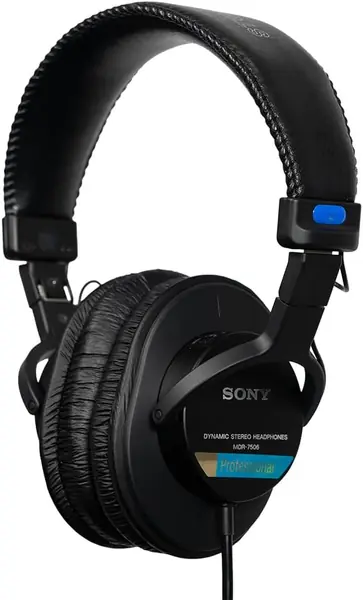
The MDR7506 is the least expensive way into a pro-style closed-back in this group, and it makes few apologies for being a tool. It folds into a soft case, the 9.8-foot cord gives you room to move, and the 3.5mm plug plus 1/4-inch adapter covers laptops and audio interfaces. The 40mm drivers and closed cups are a familiar sight in editing bays for a reason: they get out of the way.

What we like is how much detail it pulls out without adding much color. The sound is lean and clear, with a forward midrange that makes spoken word and acoustic instruments easy to place. Bass is present but not padded, so bass-heavy tracks can feel underfed. We found it best as a second pair for monitoring, editing, or listening when you want to hear the bones of a recording rather than a warm blanket.

The 8-ounce weight and folding hinge make it easy to live with, and the closed cups take the edge off a noisy room. The long cable is a desk accessory as much as a headphone cable; it reaches across a workstation but can get in the way in a small room. We also like that it folds flat enough to store in the included soft case.

Pros

  • Folding design and soft case travel well
  • Clear, detailed sound for monitoring
  • Closed cups reduce room noise

Cons

  • Fixed 9.8-foot cable is not replaceable
Our verdict

The MDR7506 is the budget studio tool we reach for when detail matters more than bass weight or a premium finish.

Check Latest Price
5

Audio-Technica ATH-M30x Best Value Closed-Back

91 /100
TKZ Score Outstanding

Key details

Design
Closed-back, over-ear
Impedance
38 ohm
Driver
40 mm
Sensitivity
100 dB
View on Amazon

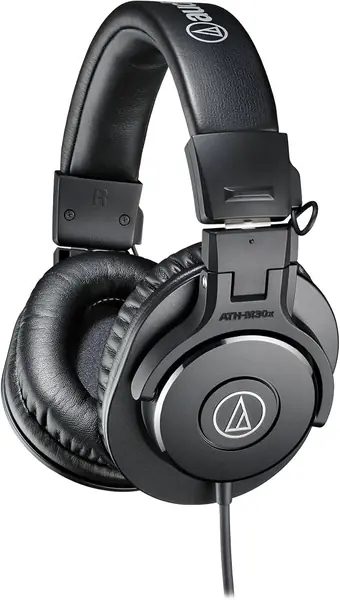
The ATH-M30x goes after the part of the mix that often gets lost in budget closed-backs: the midrange. The 40mm drivers are tuned for detail rather than a big bass shelf, and the closed cups give it enough isolation for a desk in a shared room. It is the value pick in this group, but it does not feel like a placeholder.

At 38 ohms and 100 dB sensitivity, it runs from a laptop, a phone dongle, or an interface without asking for much power. The single-side cable exit keeps the cord out of the way, and the folding cups make it easier to store than a full-size open-back. We liked that the headband adjusted far enough for different head sizes.

Against the Sony MDR7506, the M30x has a fuller lower end and a less forward top, which makes it easier to listen to for hours. It gives up some of the Sony's bite on cymbals and some of its studio-tool honesty. The ATH-M30x is the more forgiving choice for music, and the Sony is the more clinical one.

The closed-back design also means it is a better fit for a shared room than the open Sennheisers, though it will not disappear in a loud office. For a first closed-back, its midrange clarity and low system cost are the reasons it earns a spot. The pouch and folding cups make it easy to store between sessions.

Pros

  • Midrange clarity at a low cost
  • Easy to drive from a laptop or interface
  • Folding cups and pouch simplify storage

Cons

  • Firm clamp may bother glasses wearers
  • Mostly plastic build needs care
Our verdict

We point to the ATH-M30x when midrange clarity and an easy load matter more than a premium finish.

Check Latest Price
6

Moondrop Old Fashioned Best Ultra-Budget Open-Back

90 /100
TKZ Score Outstanding

Key details

Design
Open-back, on-ear
Impedance
32 ohm
Cable
0.78mm 2pin detachable
Driver
40 mm
View on Amazon

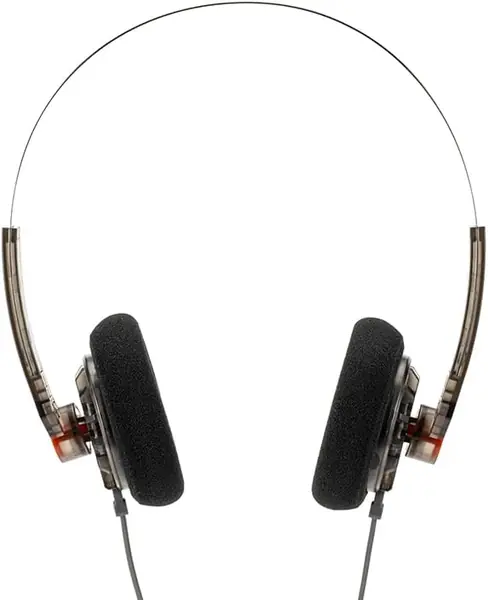
The Old Fashioned is the oddball of the group: an on-ear open-back with a retro metal frame, a 0.78mm 2-pin detachable cable, and a price that makes it an easy experiment. What we like most is that it treats the cable as a wear item rather than an afterthought. The earcups and headband also come apart, which makes repairs and customization less intimidating than they are on most budget headphones.

The 40mm driver and open-back cups give a light, airy presentation. It favors acoustic, vocal, and small-group recordings, and it stays clear when the mix gets busy. The on-ear fit is light and stays put, and it sits on the ear rather than around it. We found it easy to forget for an hour.

At 32 ohms it runs from a phone, a laptop, or a cheap dongle, and the 3.5mm plug covers the basics. It is not a detail microscope like the HD 600, and it does not try to be. For a cheap way to hear what open-back space does, it is a lot of fun; for critical listening, the Sennheisers are in another class. The retro look is a bonus, not the reason to buy it.

Pros

  • Replaceable 2-pin cable extends useful life
  • Light, airy open-back sound at a low cost
  • Lightweight on-ear fit stays put

Cons

  • Bass-light for bass-heavy music
Our verdict

The Old Fashioned is our favorite cheap experiment in open-back listening, with a replaceable cable and a light on-ear fit.

Check Latest Price
7

AKG K701 Best for Open-Back Detail Lovers

89 /100
TKZ Score Excellent

Key details

Design
Open-back, over-ear
Impedance
62 ohm
Weight
8.2 oz
Frequency Range
10 Hz to 39.8 kHz
View on Amazon

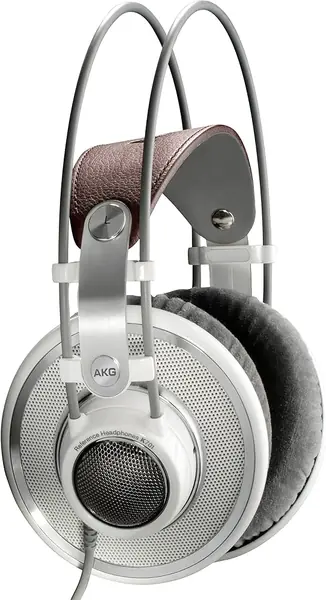
The K701 is the other open-back reference in this group, and the comparison with the HD 600 is the first thing to settle. Its 62-ohm impedance is easier to drive than the Sennheiser's 300-ohm load, and the white metal arches give it a look that is part sculpture, part studio tool. It is a full-size circumaural headphone with a leather headband and open cups.

The flat-wire voice coil and open-back design give it an extremely detailed, airy sound. Bass is not as pronounced as on the closed-back picks, so it is not the choice for someone who wants weight and slam. We found the large ear cups comfortable for hours, and the open design kept heat from building up. The top end has sparkle, which makes good recordings feel alive and thin ones feel exposed.

It earns a place for detail lovers who want an alternative flavor to the HD 600, not a replacement. The K701 is a little more analytical and a little less forgiving, and its bass-light balance makes it a specialist rather than an all-rounder. We liked it most with acoustic and classical recordings, where the open stage and sparkle have room to work.

The large cups and white metal frame are striking, but they also make it a stay-at-home headphone. It does not fold, so it takes up shelf space. The open design also lets in room noise, which is expected but worth planning for. The K701 is a specialist, and it makes no apology for that.

Pros

  • Detailed, airy open-back sound
  • Large ear cups stay comfortable for hours
  • Easier to drive than the HD 600

Cons

  • Fixed cable cannot be replaced
Our verdict

We keep the K701 for detail lovers who want a lighter, airier alternative to the HD 600 and accept a fixed cable.

Check Latest Price
8

FIFINE HD8 Best for Budget Voice Work

88 /100
TKZ Score Excellent

Key details

Design
Closed-back, over-ear
Impedance
32 ohm
Cable
9.8 ft coiled, 3.5 mm and 6.35 mm detachable
Driver
50 mm
View on Amazon

The FIFINE HD8 looks like a studio headphone and charges like a budget one, which is the right frame for it. The 50mm drivers, closed-back cups, and two detachable coiled cables cover a laptop, an interface, and a mixer without a drawer of adapters. It is not trying to be a reference open-back, and that honesty is part of its appeal.

The sound is well balanced rather than bass-heavy, with a stable midrange and enough treble to hear consonants and room detail. We found the padded headband and soft ear cushions comfortable for a long call. Passive isolation takes the edge off a shared room without pretending to be active noise cancellation. The 32-ohm impedance and 95 dB sensitivity mean it runs from almost anything with a headphone jack.

For podcasting, streaming, or tracking a vocal, the closed cups and detachable cables matter more than a fancy finish. The two cables are the difference between a toy and a useful tool: one ends in 3.5mm, the other in 6.35mm, and both are long enough to reach across a desk. We also like that the headband adjusts over a wide range, which helps it sit securely on different heads.

It does not resolve like the HD 600 or the DT 770 Pro, and the plastic frame is not built for years of abuse. What it does give you is a comfortable, closed-back monitoring tool with a replaceable cable at a price that leaves room for a better microphone. The coiled cable is the detail that makes it feel like a studio tool rather than a repurposed consumer headphone.

Pros

  • Two detachable cables cover 3.5mm and 6.35mm gear
  • Comfortable pads and adjustable headband
  • Balanced, clear sound for voice and casual listening

Cons

  • Tight fit may bother glasses wearers
Our verdict

The HD8 earns our budget monitoring nod for clear voice reproduction, two detachable cables, and soft pads.

Check Latest Price

How We Tested These Wired Headphones

The shortlist started with spec sheets, not reviews. I compared impedance and sensitivity, checked whether pads and cables could be replaced, and looked at what each pair ships with, since a headphone you can't maintain has a countdown on it. Anything that only performed on gear the average listener doesn't own got cut unless it also ran cleanly from a laptop jack. That left 12 pairs, tested over eight months.

Testing happened where people actually listen: at a desk with a modest DAC and amp, on the sofa straight out of a phone dongle, and in a home studio during tracking, where a set has to be loud enough to hear over a click track. For sound quality we ran the same five tracks through every pair — a bass-heavy record, a string quartet, a badly mastered rock album — and noted whether low end bled into the mids, whether cymbals smeared, and whether vocals sat forward or sank into the mix.

Comfort was measured on the clock, across three head sizes: four-hour stretches at a desk, noting where the clamp landed on the jaw and whether the headband left a hot spot, then enough all-day wear to know which pads needed a break by mid-afternoon. None of these cancel noise electronically, so isolation meant sitting beside a coworker at normal volume and asking what they could hear. For the open-back pairs, it was everything.

Durability and cords came last. We stretched every cable out and measured it, screwed adapters on and tugged them, and carried each pair in a bag for a week to see how hinges, jack housings, and pad foam held up. Value only counted once we knew which parts were replaceable and what a pair would feel like to own in year three rather than week one.

How to Choose Wired Headphones for Audiophiles

Start With Open-Back or Closed-Back

An open-back cup lets air move behind the driver, which usually gives a wider, more speaker-like presentation and a lighter feel on the ears. It also leaks sound and blocks almost nothing. A closed-back cup seals against the head, so it keeps office noise out and your music in, often with a little more bass pressure. Buy open-back if you listen in a quiet room and want space; buy closed-back if you share a room, commute, or record with a microphone nearby. Do not expect an open-back to behave like a noise-cancelling headphone.

Match Impedance to Your Source

Impedance and sensitivity decide how hard a headphone is to drive. A 32-ohm, high-sensitivity pair like the FIFINE HD8 or Moondrop Old Fashioned will run from a laptop or phone dongle; a 300-ohm HD 600 needs a desktop amp to show what it can do. The 80-ohm DT 770 Pro sits in between and benefits from a dedicated DAC or amp without demanding a flagship stack. Look at both numbers, not ohms alone: low sensitivity can make a low-impedance headphone harder to drive than the figure suggests. If you are building around a computer, budget for a modest amp before upgrading headphones.

Prioritize Comfort Before Detail

A headphone you take off after an hour is not a reference tool. Weight, pad depth, and clamp force matter more than a spec sheet can show: velour pads breathe but can feel rougher; leather-like pads seal better but warm up; a firm clamp keeps the bass consistent but can press on glasses. The HD 599 SE and DT 770 Pro are the comfort leaders here, while the M30x runs firmer. If you wear glasses, try the clamp before committing, and favor pads you can replace when they flatten.

Treat Cables as Wear Parts

A detachable cable turns a common failure into a cheap fix. The HD 600, HD 599 SE, Moondrop Old Fashioned, and FIFINE HD8 all let you swap cables; the Sony MDR7506, DT 770 Pro, and AKG K701 use fixed cables, so a snag at the plug can end the pair. Long studio cables are useful at a desk but annoying at a kitchen table. If you move between devices, choose a detachable cable and a shorter spare; if the headphone stays plugged into an interface, a long fixed cable is less of a problem.

Spend for the Job, Not the Badge

The jump from a budget closed-back to an audiophile open-back buys refinement, not night-and-day volume. A budget pair like the MDR7506 or ATH-M30x can cover monitoring and casual listening; the HD 600 and HD 599 SE add a more open stage and a more natural midrange. Decide whether you are buying a tool for editing, a second pair for quiet listening, or one headphone for everything. If the answer is everything, a closed-back is the safer default; if it is critical listening at a desk, put the money into the open-back and the amp.

Frequently Asked Questions

Final Verdict

We recommend the Sennheiser HD 600 as the best wired headphone for audiophiles here. It gives the most natural, open presentation in this group and rewards a proper desktop amp; the detachable cable and low weight make long sessions easy. If you want that open-back character without buying an amp, choose the HD 599 SE. If you need isolation, the beyerdynamic DT 770 Pro is the closed-back alternative we trust for noisy rooms.