Best Spatial Audio Earbuds of 2026

Spatial audio sounds like a line on a spec sheet until the first time a plane rumbles across the screen in a movie and you flinch. What it actually does is place sound around your head instead of flat between your ears, and on earbuds that illusion depends on two things most listings bury: how the head tracking behaves, and how well the tips seal your ear canal.

Get both right and a late-night episode or a packed bus turns into your own screening room. My team has spent eight months living with 11 pairs, wearing them through subway commutes, open-plan office afternoons, windy dog walks, and two long flights, and the gap between the best and the rest is wider than the price differences suggest.

Here's what I wish someone had told me sooner: head tracking is a blast for film and a nuisance for music, so look for a set that lets you dial it down or switch to a fixed mix. Fit matters just as much, since a loose seal drains both bass and noise cancellation, which is why every pair below had to stay put through a jog and a conversation. The list that follows is what held up.

The Best Spatial Audio Earbuds

1

Apple AirPods Pro 3 Best Overall
89 /100
TKZ Score Excellent

Key details

Spatial Audio
Spatial Audio
Noise Cancellation
Active Noise Cancellation
Charging
USB-C
Battery With ANC
Up to 8 hours
View on Amazon

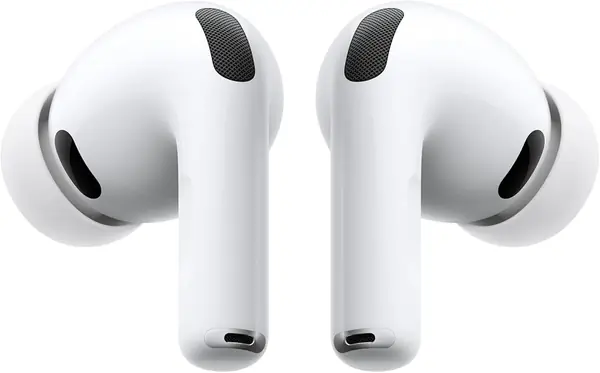
The AirPods Pro 3 are the set we recommend first to most people shopping for spatial audio, largely because they make the effect feel like part of everyday listening rather than a demo. Apple pairs Spatial Audio with active noise cancellation, a light in-ear build, and up to eight hours of listening with ANC on. For an iPhone owner, that combination is the least fussy route to movies, music, and games with sound placed around you.

Noise cancellation is among the strongest in this set, and it does as much for the spatial effect as the processing does. When the room gets quieter, directional cues and quiet passages land more cleanly. We also appreciate Adaptive Audio and Transparency for staying aware without pulling the earbuds out, and the USB-C case is easy to top up from the same cable as a laptop.

The catch is fit. The stock tip seals well for some ears and feels loose for others, and spatial audio loses some of its wrap when the seal breaks. Try the included sizes before you decide the effect is not for you. The other consideration is platform: these are at their best with an iPhone, iPad, or Mac, and an Android phone gives up much of the convenience that makes them feel automatic.

Eight hours with ANC is the figure that makes them easy to live with on a long flight, and the light build keeps them from feeling like a project. Heart-rate sensing and Live Translation are extras; the spatial presentation, noise cancellation, and fit are what earn the price. The spatial mode is not a gimmick here: it is the reason to keep them in for a movie instead of reaching for a soundbar.

Pros

  • Up to eight hours with ANC
  • Spatial Audio with strong noise cancellation
  • Light in-ear build and USB-C case

Cons

  • Fit varies with ear-canal shape
  • Apple features are limited on Android
Our verdict

We recommend the AirPods Pro 3 to most iPhone owners who want spatial audio, strong ANC, and all-day battery in a light, familiar package.
Check Latest Price
2

Bose QuietComfort Ultra Earbuds (2nd Gen) Best for Immersive Sound

86 /100
TKZ Score Excellent

Key details

Spatial Audio
Bose Immersive Audio
Fit Options
9 eartip and stability band combos
Battery Life
Up to 6 hours
Water Resistance
IPX4
View on Amazon

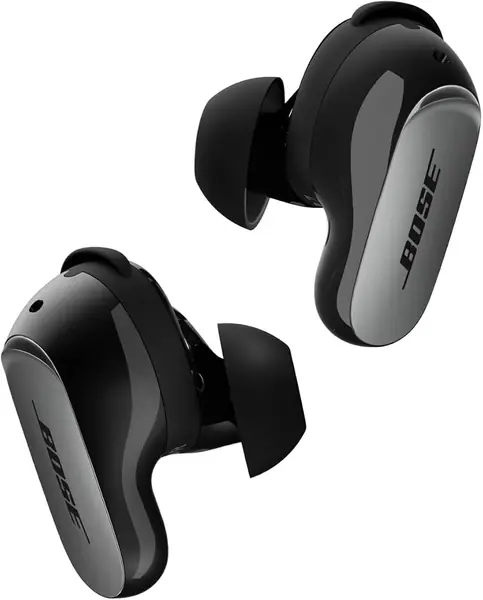
Bose starts its pitch with the fit kit, and that is the right place for a spatial-audio earbud. The QuietComfort Ultra Earbuds (2nd Gen) come with nine combinations of tips and stability bands, which gives you a better chance of sealing off the outside world before you judge the Immersive Audio mode.

We think that foundation is why Bose can make sound feel like it is coming from beyond your head rather than inside it. The noise cancellation remains the headline for travel, and CustomTune adapts the sound to your ears. Immersive Audio gives music, movies, and games a wide, anchored presentation, and the soft umbrella-shaped tips stay comfortable enough for long listening sessions.

The six-hour battery is shorter than the AirPods Pro 3's eight-hour ANC rating, so a long flight will need a case top-up. The case is not the smallest either, and it charges over USB-C rather than a proprietary cable. IPX4 sweat resistance makes these more versatile than their premium price suggests, but the fit kit is the real reason to choose them.

Pros

  • Nine tip and band combinations
  • Immersive Audio with strong ANC
  • IPX4 sweat resistance

Cons

  • Connection stability can be inconsistent
Our verdict

We recommend the Bose QuietComfort Ultra Earbuds (2nd Gen) to listeners who want the most immersive, quietest presentation and will trade battery life and some connection fuss for it.

Check Latest Price
3

JBL Tour Pro 3 Best for Movies and Games

85 /100
TKZ Score Excellent

Key details

Spatial Audio
JBL Spatial 360 with head tracking
Drivers
Balanced armature and 10.2mm dynamic driver
Battery Life
40 hours
Smart Case
1.57-inch touchscreen
View on Amazon

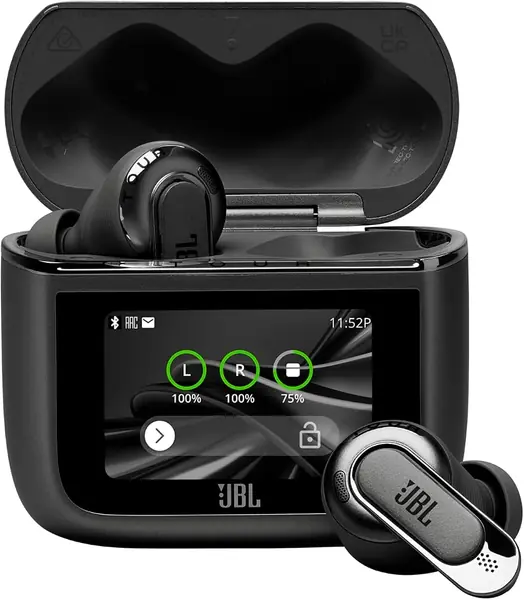
The smart charging case is the first thing you notice about the JBL Tour Pro 3, and for movie watching it is also the most useful. The 1.57-inch touchscreen lets you control playback and see calls without reaching for your phone, and the case can work as a transmitter when you connect a source with the included USB-C to 3.5mm cable.

That makes the Tour Pro 3 the most travel-ready spatial-audio set here: you can plug into a plane seatback or a laptop headphone jack and keep the Bluetooth convenience for everything else. The spatial side is just as deliberate. JBL Spatial 360 with head tracking turns stereo into a wider, anchored presentation, and the dual-driver design—a balanced armature for highs and a 10.2mm dynamic driver for bass—gives the effect something solid to work with.

We like the touchscreen more than we expected; it is quicker than opening an app when you just want to pause or check battery. The catch is consistency. The same set that can sound huge on a movie can suffer Bluetooth dropouts, and the fit is not as settled as the Bose's nine-way kit. The 40-hour battery figure is generous, but the case is large and the screen adds one more thing to manage. The screen is the detail that makes the case worth carrying; if you will not use it, a simpler set is easier to live with.

Pros

  • Head-tracked Spatial 360 for video
  • Smart case works as a wired transmitter
  • Dual drivers with LDAC hi-res support

Cons

  • Connection dropouts can interrupt listening
  • Large smart case adds bulk
Our verdict

We recommend the JBL Tour Pro 3 to movie and game lovers who want head-tracked spatial audio and a case that can plug into a seatback, provided they can live with occasional connection fuss.

Check Latest Price
4

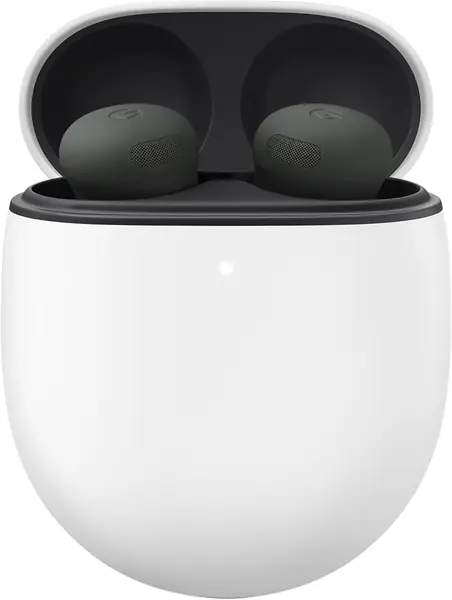
Google Pixel Buds Pro 2 Best for Android

84 /100
TKZ Score Excellent

Key details

Spatial Audio
Spatial audio with head tracking
Battery
30 hours
Drivers
11 mm drivers
Fit
Twist-to-adjust stabilizer
View on Amazon

For Android phones, the Pixel Buds Pro 2 are the spatial-audio pick that feels native rather than added on. Google builds in spatial audio with head tracking, and the Tensor chip powers Gemini alongside the listening features. The twist-to-adjust stabilizer is the detail we appreciate most: it gives the earbud a second position for a tighter workout fit and a looser one for all-day wear.

The sound hardware is serious for a compact earbud. An 11mm driver and a high-frequency chamber give the Pixel Buds Pro 2 a fuller low end than their size suggests, while Silent Seal 2.0 and Adaptive Audio handle the noise around you. The 30-hour battery figure is one of the longest in this group, and it makes the case easy to live with on a trip.

The combination is what earns it a place: head-tracked spatial audio, a secure fit, and long battery life in one Android-native package. The part we keep coming back to is the stabilizer, because it solves the loose-fit problem without asking you to swap tips every time you move from a workout to a desk. That is a more useful kind of flexibility than another sound preset.

Pros

  • Head-tracked spatial audio for Android
  • Twist-to-adjust fit for workouts
  • 30-hour battery with 11mm drivers

Cons

No notable drawbacks to flag.

Our verdict

We recommend the Pixel Buds Pro 2 to Android owners who want head-tracked spatial audio, a secure twist-to-adjust fit, and long battery life in a native Google package.

Check Latest Price
5

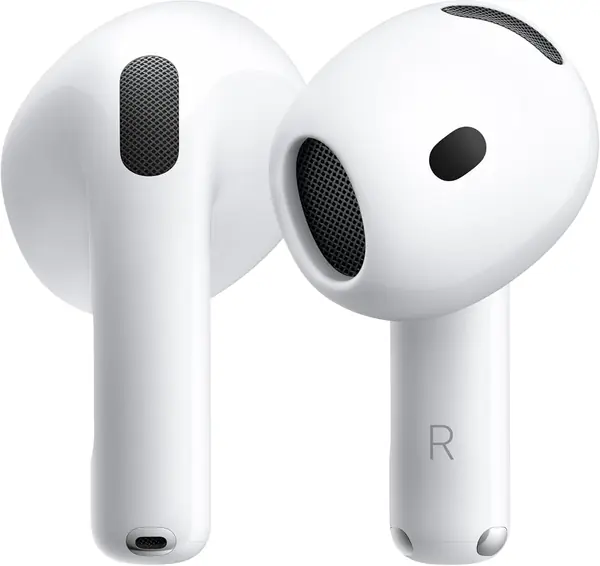
Apple AirPods 5 Best Budget Apple Pick

83 /100
TKZ Score Excellent

Key details

Spatial Audio
Personalized Spatial Audio
Noise Cancellation
Active Noise Cancellation
Charging
USB-C charging case
Chip
H2 chip
View on Amazon

The AirPods 5 are the budget route into Apple's spatial audio, and the open-fit design is the reason to consider them over the Pro 3. There is no silicone tip to seal your ear canal, so the buds sit more loosely and let in more of the room. That can be more comfortable for people who dislike the plugged-up feeling of in-ear tips, but it also makes the spatial effect more dependent on how well the hard plastic shape fits you.

Apple's Personalized Spatial Audio is the main draw, and the H2 chip handles the processing. Active Noise Cancellation is improved over the previous generation, and Adaptive Audio blends cancellation and transparency automatically. We appreciate that the controls are simple and the case is easy to drop in a bag; this is a set you can hand to someone without a tutorial.

The hard plastic shell is the real dividing line. It can feel large in smaller ears, and because there is no tip to adjust the seal, spatial audio and ANC are only as good as the shape you were born with. Try them before you commit; if they feel loose, the Pro 3's silicone tips are worth the upgrade. The open fit is the point, not a defect—but it is the reason these are not our first pick for noisy commutes.

Pros

  • Personalized Spatial Audio with H2
  • Open-fit comfort for tip avoiders
  • ANC and Adaptive Audio at a lower price

Cons

  • Case charging can be inconsistent
Our verdict

We recommend the AirPods 5 to Apple users who prefer an open fit and want spatial audio and ANC for less, as long as they test the fit first.

Check Latest Price
6

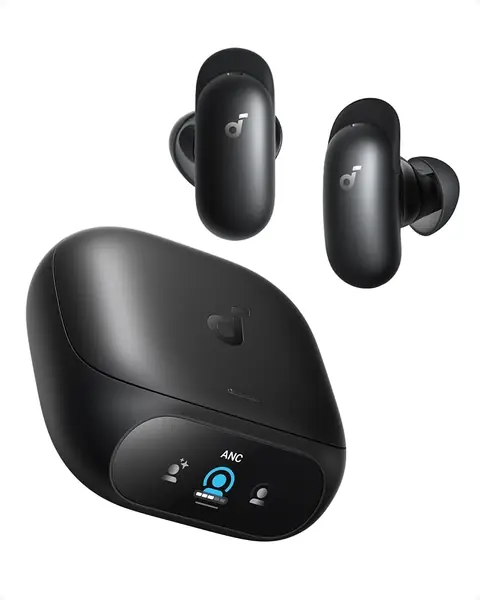
Soundcore Liberty 5 Pro Best for Calls and Workouts

82 /100
TKZ Score Excellent

Key details

Spatial Audio
Surround Sound
Noise Cancellation
Active Noise Cancellation
Fit Options
5 ear-tip sizes and 3 ear-fin sizes
Battery
Up to 6.5 hours, 28 with case
View on Amazon

The Liberty 5 Pro is the outlier in this group: it is the set we reach for when the priority is being heard clearly on a call, not when we want the last word in head-tracked spatial audio. Soundcore's pitch leans on eight sensors, the Thus AI chip, and a Guinness World Records-certified call-quality claim. That makes it a useful alternative for workdays, even if it is not the most theatrical movie companion.

Soundcore's spatial story is a surround-sound mode, while the JBL and Pixel buds advertise head tracking. For movies, that means a wider stage rather than the anchored, turn-your-head effect; if head tracking is the reason you are shopping, look to those two first. The fit kit is stronger than most: 38% smaller than the previous generation, with five ear-tip sizes and three ear-fin sizes, so you can tune the seal without buying aftermarket tips.

The rest of the package is practical: up to 6.5 hours of playtime, 28 hours with the case, and a five-minute charge that Soundcore says adds four hours. We like the smaller shells and the generous fit kit, which make them easier to keep in for a workday than some of the bulkier options here. The five-minute top-up is the detail that matters when you forget to charge before a meeting.

Pros

  • Clear call pickup with eight sensors
  • Five tip sizes and three fin sizes
  • Five-minute charge adds four hours

Cons

  • Battery and Bluetooth consistency can slip
Our verdict

We recommend the Soundcore Liberty 5 Pro to call-heavy listeners who want a secure, tunable fit and clear voice pickup, not the most convincing head-tracked spatial effect.

Check Latest Price

How We Tested Spatial Audio Earbuds

We started by pulling every current pair that advertises spatial audio, then filtered for the things shoppers actually compare: noise cancellation strength, microphone arrays, multipoint pairing, water resistance, and whether the charging case slides into a jeans pocket. Eleven pairs made the final cut across the price range, and we bought them at retail rather than accepting samples, so each one arrived with the same unboxing and setup a buyer would face.

For sound, I listened to the same three tracks on every pair — one bass-heavy, one bare acoustic vocal, one live orchestral recording — and noted where the vocal sat, whether turning my head dragged the whole mix with it, and how much detail survived once I switched the spatial processing off. Noise cancellation got tested on a subway platform, under a running range hood, and in a plane cabin at cruising altitude, where I logged whether announcements still cut through and whether my ears felt pressurized. For calls, I rang a colleague from a windy corner and a busy café and asked for an honest rating.

Comfort was judged over three-hour stretches at a desk, a jog, and a full workday; I tried every tip size, watched for hot spots after ninety minutes, and checked whether they stayed seated while I talked or chewed. Battery life came from a week of real use rather than the spec sheet, timing how long a dead pair needed to earn back two hours of playback. I paired each set to a phone and a laptop at once, walked two rooms away, and counted the dropouts.

Reliability showed up later, in firmware updates that quietly changed the tuning, in one pair that developed a channel imbalance, and in how easily each case reconnected after a month in a drawer. Finally, we weighed what the extra money actually bought — stronger mics, longer battery, steadier tracking — against the features we stopped touching after two weeks, and how much account setup the companion app demanded before the earbuds sounded their best.

How to Choose Spatial Audio Earbuds

Start With Fit and Seal

Every spatial effect starts with a stable seal. If an earbud sits loose, bass drops, noise cancellation weakens, and the sense of sound around you collapses. That is why we put more stock in tip and stabilizer systems than in a long feature list: Bose includes nine tip-and-band combinations, Soundcore offers five tip sizes and three fin sizes, and Google uses a twist-to-adjust stabilizer. Try every size before deciding a set is uncomfortable. A bud that feels fine for ten minutes but loosens when you talk or chew is not a secure fit.

Match the Spatial Mode to Your Devices

Spatial audio is not one universal format for wireless earbuds. Apple's Personalized Spatial Audio is easiest to use inside the Apple ecosystem, Google's head-tracked mode is built for Android, and JBL's Spatial 360 with head tracking works across Bluetooth sources but needs supported content to show off. If you watch movies on a laptop or tablet, check that the earbud's spatial processing works with that device, not just your phone. For iPhone-first listening, the AirPods Pro 3 are the simplest route; for Android, start with the Pixel Buds Pro 2.

Treat Noise Cancellation and Battery as One Choice

Strong noise cancellation does more for spatial audio than a demo track can. It lowers the room tone that competes with the effect, so quieter passages and directional cues land cleanly. The catch is that ANC and spatial processing both draw power. In this group, the AirPods Pro 3 list eight hours with ANC, Bose lists six, and Soundcore lists up to six and a half; case totals range from 28 hours to 40. For long flights, per-charge time matters more than the case number, because you may not want to stop listening to recharge.

Decide How Much Case You Want

The case is no longer just a battery holder. JBL puts a 1.57-inch touchscreen on the Tour Pro 3 and lets it work as a transmitter for a wired source, which is genuinely useful on a plane or at a desk. The trade-off is bulk and one more screen to manage. Apple, Bose, and Google keep their cases simpler, so they disappear into a pocket. Choose the smart case only if you will use its controls or wired mode; otherwise, a smaller case is the better everyday companion.

Frequently Asked Questions

Final Verdict

For most people, the Apple AirPods Pro 3 is the spatial-audio earbud we recommend. It has the best balance in this group of convincing spatial presentation, strong noise cancellation, eight-hour ANC battery life, and a case that disappears into a pocket.

The Bose QuietComfort Ultra Earbuds (2nd Gen) are the step up for listeners who want the widest, quietest presentation and will accept a shorter six-hour runtime. If movies and games are the main event, the JBL Tour Pro 3's head tracking and transmitter case are worth the extra bulk; Android owners should start with the Pixel Buds Pro 2.