Best On-Ear Headphones for iPhone of 2026

Buying headphones for an iPhone used to be simple: plug in, press play. Now the box might hold a USB-C plug, an older connector, or nothing at all, and the Bluetooth side comes with its own vocabulary. On-ear headphones are a fine middle ground anyway — lighter than over-ears, more substantial than earbuds — as long as the pair stays comfortable past the first hour and holds its connection when you walk into the next room.

My team and I spent six months wearing 12 pairs through commutes, back-to-back video calls, and long flights, pairing each one to an iPhone and a laptop along the way. The pairs people actually keep get the boring parts right: a clamp that doesn't become a headache by 2 p.m., a mic that doesn't sound like a drive-thru speaker, and battery that survives a week of forgetting to charge. Color and price matter more than anyone admits, too.

One thing worth knowing before you scroll: on-ears don't seal around your ears the way over-ears do, so sound leaks in both directions — a real consideration if you share an office or fly often. Everything below earned its spot on comfort, sound, and the small stuff that only surfaces after a few weeks of use.

The Best On-Ear Headphones for iPhone

1

Beats Solo 4 Best Overall
93 /100
TKZ Score Outstanding

Key details

Battery Life
Up to 50 hours
Charging
USB-C Fast Fuel
Fit
Flex-grip headband, angled cups
Spatial Audio
Personalized with head tracking
View on Amazon

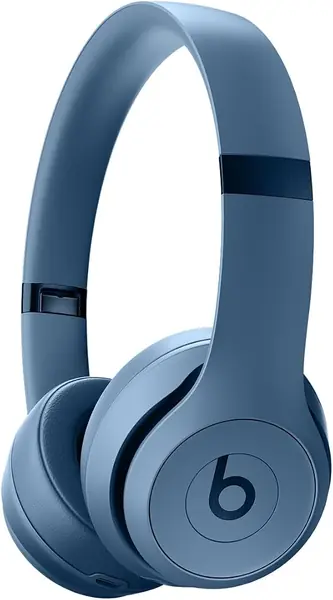
Head-tracked Spatial Audio is the feature that decides this pair for an iPhone: watch something on the phone and the mix stays anchored to the screen when you turn your head. Nothing cheaper in this group does that, and it is why we put the Solo 4 first. The rest of the package suits the same buyer — up to 50 hours of playback and USB-C Fast Fuel charging that buys playtime back in a hurry.

Sound is where it earns the premium. The custom drivers push bass forward without burying vocals, so a bass-heavy playlist and a podcast both come through cleanly, and the flex-grip headband and angled ear cups keep the drivers where you put them. The UltraPlush pads are generously cushioned, which matters more on an on-ear design than anywhere else: a pad, not a ring of plastic, is carrying the pressure.

Battery is the quiet win. Fifty hours turns charging into a monthly errand, and a short USB-C stop covers the morning you forgot. Longevity is the soft spot: a channel that dies months in is the failure that ends these pairs early, so keep the receipt and use the warranty rather than living with one-sided sound.

Pros

  • Head-tracked Spatial Audio built for iPhone
  • Up to 50 hours with USB-C Fast Fuel charging
  • Soft UltraPlush cushions and an angled fit

Cons

  • Tight clamp on larger heads
  • Premium price next to the others here
Our verdict

We recommend the Solo 4 to iPhone owners who want head-tracked Spatial Audio and the most refined sound in this group; no other pair here ties in as neatly.
Check Latest Price
2

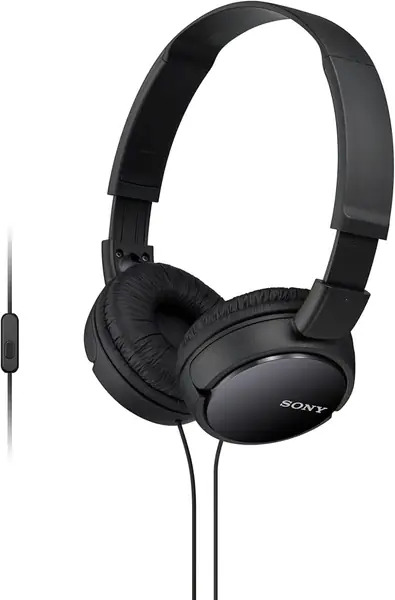
Sony WH-CH520 Best for Commuting

89 /100
TKZ Score Excellent

Key details

Battery Life
Up to 50 hours
Charging
USB-C cable included
Earcups
Swivel design
Pairing
Multipoint, two devices
View on Amazon

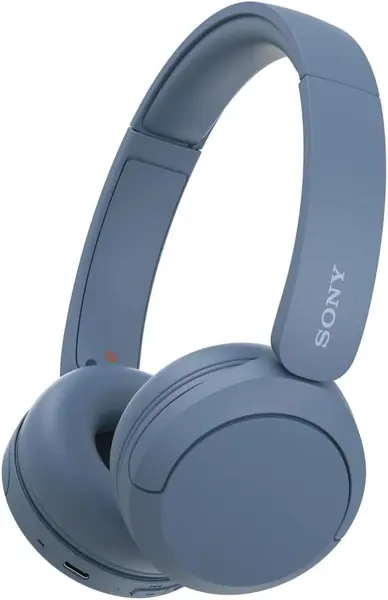
Fifty hours is a strange thing to advertise on a pair that costs roughly half what the Beats do, and yet here it is: the WH-CH520 runs the better part of a week of commuting, and a quick charge covers the morning you forget. Sony even puts the USB-C cable in the box, which is not universal at this price. Pair a phone and a laptop at once and it hops between them without re-pairing.

This is the pair we hand to most people who ask, because it does the ordinary things well: light on the head, swivel cups that lie flat around your neck, and an app with a real EQ instead of three fixed presets. Comfort is the variable. The clamp is firm out of the box, and after a couple of hours the pads start to feel like pads; angling the cups slightly off the ear buys another hour.

Bluetooth dropouts are the known annoyance — a re-pair usually settles them, and turning multipoint off is the first move when a connection keeps wandering. Otherwise there is very little to think about, which is the point of a pair that lives in a bag.

Pros

  • Up to 50 hours with quick USB-C charging
  • Multipoint pairing for phone and laptop
  • Swivel earcups and a light build for daily carry

Cons

  • Headband can crack with daily folding
  • No 3.5mm backup when the battery dies
Our verdict

Our pick for most people: 50 hours, a cable in the box, and a light fit that survives a commute, for roughly half the price of the Beats.

Check Latest Price
3

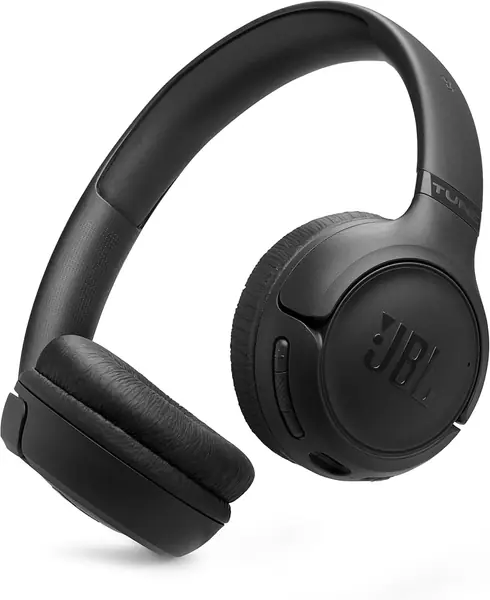
JBL Tune 530BT Best Budget Wireless

88 /100
TKZ Score Excellent

Key details

Battery Life
Up to 76 hours
Weight
5.44 oz
Drivers
33mm dynamic
Bluetooth
6.0 with multipoint
View on Amazon

A tap on the earcup gets you Siri without digging the phone out of a pocket, and that small convenience tells you who this pair is for. At this end of the market the Tune 530BT covers the modern basics — Bluetooth 6.0 multipoint, app EQ, two beamforming mics for calls — and it is the wireless pick we point budget buyers to first.

Battery is the headline: up to 76 hours, long enough that charging becomes a monthly errand rather than a nightly one. The 5-minute speed charge is the part we appreciate most. A forgotten charge costs you a coffee break instead of a commute, which is the difference between a pair you trust and one you babysit.

The 33mm drivers do the Pure Bass thing convincingly for the size, though the tuning leans low and stays there — the Vocal preset is the fix for podcasts and calls. Build is light plastic at 5.44 ounces, which is about right for a pair that lives in a bag and gets dropped in one.

Pros

  • Up to 76 hours, plus a 5-minute speed charge
  • Bluetooth 6.0 multipoint with voice assistants
  • App EQ presets for balanced, bass, or vocal

Cons

  • Charging cable not included in the box
  • No wired fallback when the battery runs out
Our verdict

Buy this if you want wireless for as little as possible and refuse to carry a charger: 76 hours of runtime, multipoint, and a five-minute top-up.

Check Latest Price
4

Sony ZX110AP Best Wired Pick

87 /100
TKZ Score Excellent

Key details

Weight
4.16 oz
Drivers
30mm dynamic
Connection
3.5mm wired
Inline Control
Remote and microphone
View on Amazon

Everything else here pairs, charges, or negotiates a codec. The ZX110AP just plugs in. That is the whole appeal: a 3.5mm cable, a mic and remote on the cord, and swiveling cups that fold flat into whatever bag you are carrying.

The iPhone part needs a sentence of its own. Apple stopped fitting a headphone jack years ago, so this pair needs Apple's 3.5mm adapter — Lightning on older phones, USB-C on newer ones. That is a small extra purchase and one more thing to lose, and it is why we treat this as a desk-drawer or backpack pair rather than a pocket companion.

Get past the dongle and there is real value. The 30mm drivers are closed-back and lively, with bass present without turning muddy, and 4.16 ounces on the head is close to nothing over a long call. The swivel cups make it genuinely packable, which is more than most pairs at this price manage.

Pros

  • Inline mic and remote on a plain 3.5mm cable
  • Swiveling earcups fold flat for a bag
  • 4.16 ounces with 30mm closed-back drivers

Cons

  • Inline remote works with only some phones
  • Plastic earcups can crack with daily use
Our verdict

We keep this one for the reader who wants a cord, a mic, and nothing to charge — the cheapest useful pair here, provided you own Apple's adapter.

Check Latest Price
5

JBL Tune 530C Best for USB-C iPhone Owners Who Never Want to Charge or Pair Anything

81 /100
TKZ Score Excellent

Key details

Connection
USB-C
Audio
Hi-Res 96kHz/24-bit
Remote
3-button with mic
EQ Presets
Default, Bass, Vocal
View on Amazon

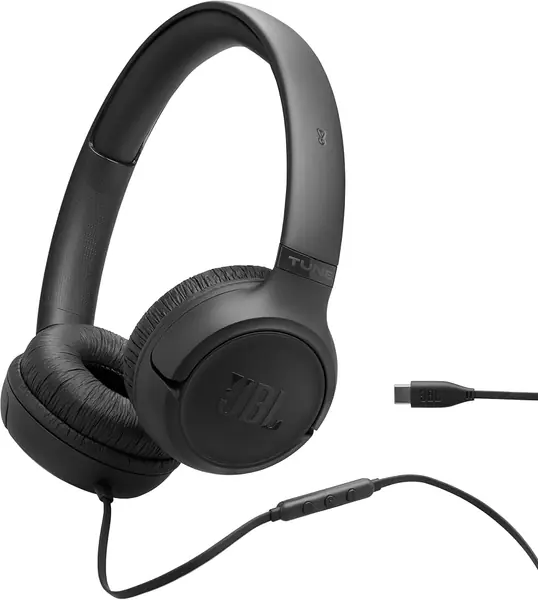
The USB-C plug is the entire interface on the Tune 530C: no battery, no radio, no pairing screen. Plug it into a phone with a USB-C port and it plays, and the built-in DSP handles hi-res files up to 96kHz/24-bit when you have them.

For anyone carrying a USB-C iPhone, that is the simplest arrangement we found on this page. There is nothing to charge before a flight and nothing to re-pair after a reboot, and the three-button remote covers volume, tracks, and calls with a mic in line. It draws what it needs over the cable rather than running its own battery, so there is one less thing to top up on a travel day.

The 33mm drivers carry the same Pure Bass tuning as the wireless Tune above, and the three EQ presets — default, bass, vocal — are switched from the remote rather than an app, which is the detail we did not expect at this price. At 5.12 ounces with a foldable hinge, it packs as easily as anything else here.

Pros

  • No battery or pairing to manage
  • Hi-res 96kHz/24-bit audio through a built-in DSP
  • 3-button remote with mic and EQ switching

Cons

  • USB-C only, so a Lightning iPhone needs an adapter
Our verdict

For a USB-C iPhone, this is the least fussy pair we found: plug in, listen, and never think about charging or pairing again.

Check Latest Price

How We Tested the Best On-Ear Headphones for iPhone

We started by gathering every on-ear model sold as iPhone-friendly — meaning a built-in mic, Bluetooth, or a wired connection that matches the port on the phone — then narrowed the field by price and by what buyers kept repeating in reviews: comfort, connection stability, and whether the battery numbers held up in practice. That left 12 pairs, which we rotated through six months of ordinary use rather than a bench.

Each pair got the same run: a full workday at a desk, a week of commutes, at least one long flight or train ride, and a stretch of video calls. We wore them with glasses and without, noted where the headband pressed and whether our ears ached after two hours, and had a few people with larger and smaller heads try each one so we weren't grading on a single skull.

For battery, we charged to full, played at a moderate volume, and counted how many days of mixed use each pair lasted; we also timed a 10-minute top-up to see what quick charging actually gave back. Connectivity meant pairing to an iPhone and a laptop at once, walking two rooms away, and logging dropouts or lip-sync delay. For the mic, we recorded voice memos in a quiet room and on a street corner, then played them back. Durability meant two weeks of riding loose in a bag with a laptop and keys, after which we checked hinges, swivels, and flattened earpads.

Sound went judged on the same short playlist of bass-heavy tracks, acoustic recordings, and podcasts, and we noted which cheap pairs embarrassed the expensive ones — plus whether a wired cable was even in the box, since that decides whether a pair still works when the battery dies.

How to Choose On-Ear Headphones for an Iphone

Match the connection to your iPhone's port

Bluetooth is the safe default: every wireless pair here pairs with an iPhone, and multipoint lets one set hold a phone and a laptop at once. Wired is cheaper and never needs a charge, but the plug decides everything. A 3.5mm pair like the Sony ZX110AP needs Apple's adapter on any iPhone without a headphone jack, and a USB-C pair like the JBL Tune 530C needs a USB-C port on the phone itself.

So check your port before you fall for a wired bargain. A cheap corded pair plus a replacement adapter is often the same money as a cheap wireless one, and the adapter is the piece that goes missing.

Treat clamp force as the comfort spec

On-ear means the pads sit on your ears rather than around them, so the headband's grip, not the foam, decides whether you can wear them for two hours. Swivel cups help — the Sony WH-CH520 angles off the ear when pressure builds — and lighter pairs are easier to forget.

If you wear glasses, have ear piercings, or listen for whole workdays, an over-ear shape simply suits you better. On-ear is the portable choice: smaller in a bag, quicker to put on, and firmer by design.

Read battery claims as convenience, not endurance

Anything past 30 hours turns charging into a monthly chore, so the gap between 50 and 76 hours matters less than what ships in the box and how fast the pair refills. The JBL Tune 530BT's 5-minute speed charge rescues a commute; the Sony WH-CH520 includes its USB-C cable, which is not universal at this price.

Check for a cable or USB-C audio option if you want a fallback when the battery dies — the wireless pairs here do not offer one, so a flat battery means silence until you find a charger.

Pay for iPhone features only if you will use them

Head-tracked Spatial Audio is the one thing in this group a cheaper pair cannot imitate, and it earns its premium if you watch video on the phone. If your listening is podcasts, calls, and background music, put the money toward battery and comfort instead.

Be wary of "iPhone compatible" on a listing. On most of these it means Bluetooth and nothing more, which every pair sold today already does.

Judge the build before the hinge decides for you

Plastic headbands and folding hinges are where on-ear pairs fail first, and the tightest folds tend to wear soonest. Buy somewhere with an easy return window, keep the receipt, and give a new pair a week of real use before you decide the fit is right.

Sony and JBL both list a one-year warranty on the pairs here, so register the purchase rather than filing the paperwork in a drawer.

Frequently Asked Questions

Final Verdict

Buy the Beats Solo 4 if you want the most refined sound in this group and the one iPhone feature the rest cannot copy — head-tracked Spatial Audio genuinely changes watching video on the phone.

If that is more than you want to spend, the Sony WH-CH520 handles the everyday work for far less: 50 hours, a cable in the box, and swivel cups that stay comfortable on a commute. And if your iPhone has a USB-C port and you resent charging things, the JBL Tune 530C is the simplest answer here — plug in, listen, forget about it.